- Boca Juniors' run to the CONMEBOL Sudamericana semi-finals has highlighted a renewed interpretation of their defensive identity, shaped by manager Rodolfo Arruabarrena.
- Arruabarrena's history with Carlos Bianchi is reflected in the 'Xeneize' philosophy: the current manager has carried forward a footballing culture that made tactical discipline one of the hallmarks of one of the continent's most successful clubs.
The Argentine side are going through a period in which rebuilding the team as a collective has become the main priority. With changes in key positions compared with the group stage of the 2026 CONMEBOL Libertadores — from which they were eliminated under Claudio Úbeda — Boca appear to have rediscovered a historic principle. Their structure is built from the back, with every match approached with one initial objective: to keep a clean sheet.
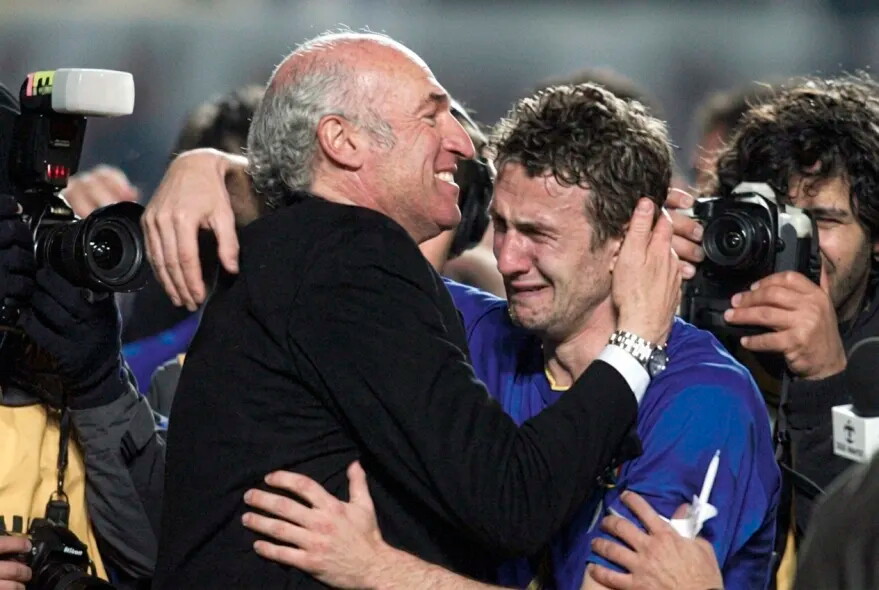
“Rodolfo, you know the first thing you have to do is defend,” Bianchi told Arruabarrena when he was playing at left-back. Under the 'Virrey', he won the 2000 CONMEBOL Libertadores and two domestic titles before moving to European football.
The phrase has echoed around the corridors of La Bombonera since the golden era when the Argentine side won five international trophies in four seasons, including the continent's most prestigious club competition on three occasions (2000, 2001 and 2003). It became almost a defining motto of Bianchi's tenure: “You need good players, not phenomena. They have to be good and intelligent. If your players are intelligent, you can achieve great things.”
More than two decades on, the connection with the current 'Xeneize' side is unmistakable. Following a 3-0 win over Unión de Santa Fe in the domestic league, just days before the first leg of the CONMEBOL Sudamericana semi-finals, Arruabarrena stressed: “I speak only when necessary: I have intelligent players, intelligent senior figures, a very intelligent captain and young players who know how much it has cost them to reach the position they are in today.”
Built from the back
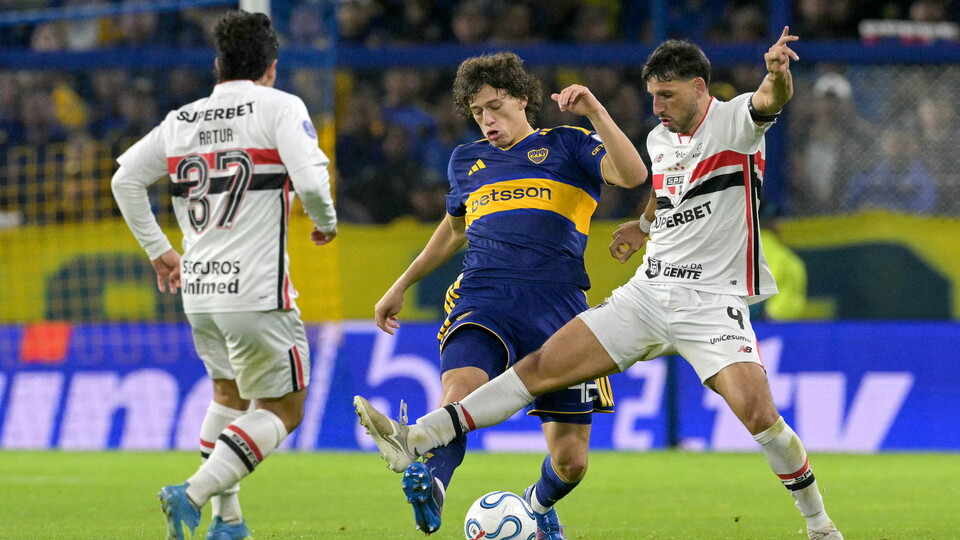
Of the five players across the back line and defensive midfield line-up in the side that lost at home to Universidad Católica on matchday six of this year's Eternal Glory campaign, Boca changed three. Álvaro Montero replaced Leandro Brey in goal; Uruguayan Leandro Lozano — scorer of Boca's only goal at the MorumBIS against São Paulo in the quarter-finals — established himself at right-back; and Facundo Herrera took up the second centre-back role in the tie against the Brazilian side.
The statistics underline the decision to reshape a defence that has helped the team grow in competitiveness and identity throughout the knockout stage. Boca have scored ten goals, conceded just three and kept clean sheets in three of their six matches, two of them at home and one away.
More than 20 years on, the disciple has drawn on his mentor's philosophy to build his own team around a clear principle: before thinking about how to hurt the opposition, you have to know how to prevent them from hurting you. He has reinforced the mechanisms of a side that have made tactical intelligence and efficiency their main tools for winning matches.

The 'Virrey's' legacy
Now in the dugout, Arruabarrena is seeking to bring part of Bianchi's legacy into a different era, with his side in the CONMEBOL Sudamericana semi-finals. They will face Vasco da Gama, against whom Boca Juniors have a positive record and remain unbeaten in CONMEBOL competitions, with two wins and two draws.
Boca's run in the continental competition provides grounds for optimism as they chase another triumph in the 'Great Conquest', having lifted the trophy in 2004 and 2005. They have built a solid structure that allows them to adapt to different match situations while rekindling an emotional connection with one of the most significant periods in the club's history.