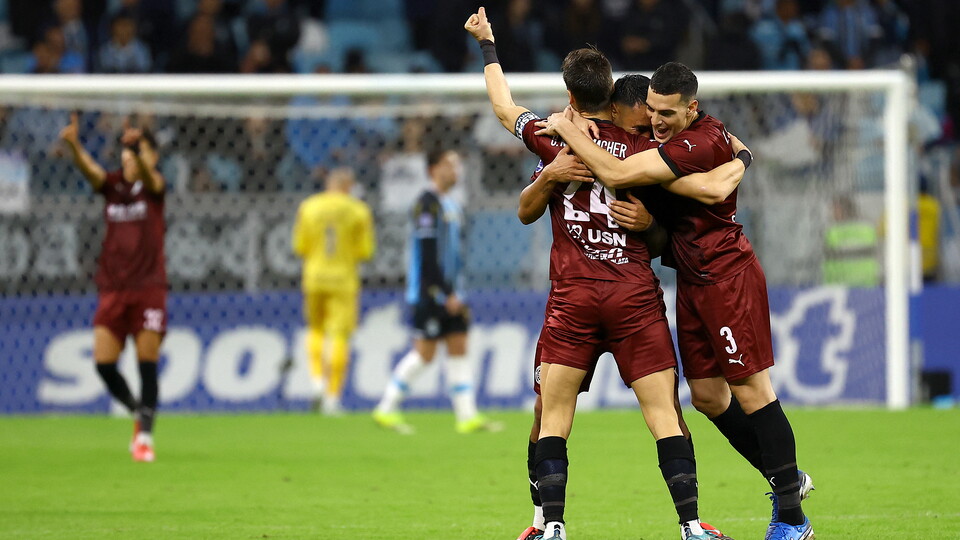
- Days after the death of his father, Montevideo City Torque captain Gary Kagelmacher was one of the pillars behind the Uruguayan side's qualification for the CONMEBOL Sudamericana semi-finals.
- The defender, around whom Marcelo Méndez built the backbone of the 'ciudadanos', is the leader of a side dreaming of reaching the decisive stage of the Great Conquest.
Gary Kagelmacher lost his father, Rudy, on 26 August. True to his character and leadership, he asked to start and scored three days later in a 3-1 victory over Defensor Sporting in the Uruguayan Clausura. “I was fortunate enough to score a goal and dedicate it to him,” he said after the match. His journey continued on the international stage. And the centre-back proved key to the Uruguayan side's qualification for the CONMEBOL Sudamericana semi-finals after a closely fought tie against Cienciano. “Gary has had to go through difficult moments, and the squad was always there for him. We don't just play football, we also have a very good group of people,” Méndez said after the historic tie against the Peruvian side.
At 38, Kagelmacher is the figure in whom Montevideo City Torque find stability, solidity, competitiveness and experience as they continue to build an unforgettable continental campaign that currently has them among the final four.
Born in the Uruguayan capital, he began his career at Danubio before joining Real Madrid Castilla — where he made one appearance for the 'Merengues' — and gaining further experience in Europe with clubs in Belgium (Germinal Beerschot and KV Kortrijk), France (Monaco and Valenciennes FC) and Germany, where he chose to play for 1860 München because of his family roots. He then moved to Maccabi Haifa in Israel before returning to South America, where he represented Peñarol, Mexican side León and Chilean club Universidad Católica.
After that long and winding journey across the footballing map, the defender joined City Torque and, six months later — at the start of a new cycle under new manager Marcelo Méndez —, Kagelmacher was named captain of a side that would go on to become a revelation both domestically and internationally.
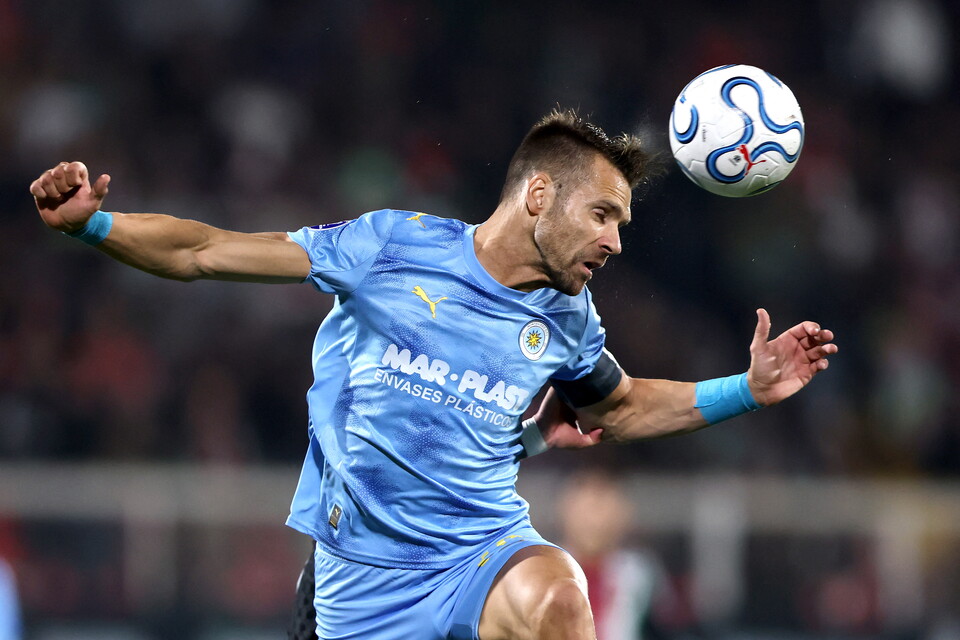
“The team talks are always led by Franco Torgnascioli and me. This time, I touched on a few things I wanted to address within the group because some players have been through difficult situations, and I'm going through a personal situation myself... At the time, I didn't realise there were so many people getting emotional: players, people from the club and members of the coaching staff. I think it was good because the message really got through, and that was the idea. Even people who weren't going to play were moved. It came naturally and that's how it happened, and the best team talks are the ones that come naturally. As captain, I try to be there and make everyone feel involved,” the defender explained after the victory over Tigre in Victoria, which marked a positive first step in the competition's Knockout Stage.
Gary, who represented Uruguay at two youth World Cups — with the Under-17s in Peru in 2005 and the Under-20s in Canada in 2007 —, is a key component of the structure put together by the manager to compete on the most demanding stage. The Uruguayan side not only finished top of Group F, but also showed their quality and clinical edge to eliminate Tigre in the Round of 16 and Cienciano — champions of the 2003 edition — in the following round.
Franco Pizzichillo, the most-capped player in Montevideo City Torque's history, with more than 200 appearances, highlighted the captain's importance to the campaign the Uruguayan side are continuing to build: “We knew he was going through a difficult time with his family and we always tried to support him because he is always there for us. The whole club was very attentive, and he was extremely emotional after we qualified. He is a captain like no other.”
The next challenge, before the Final to be played on 21 November in Barranquilla, will be Eduardo Domínguez's Atlético Mineiro. The first leg of the semi-final will be played on 14 October at the Arena MRV, with the return leg taking place on the 21st at Montevideo's Estadio Centenario.