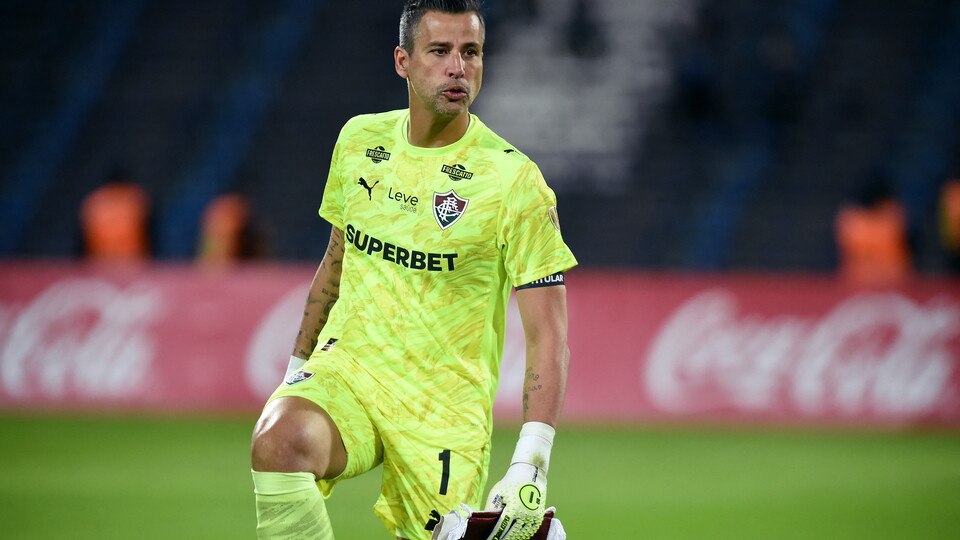
- Fluminense have recorded almost twice as many sequences of ten or more passes as Palmeiras (159 to 80) and enjoy 64.2% possession when the scores are level or they are trailing; Palmeiras, meanwhile, have registered 184 shots.
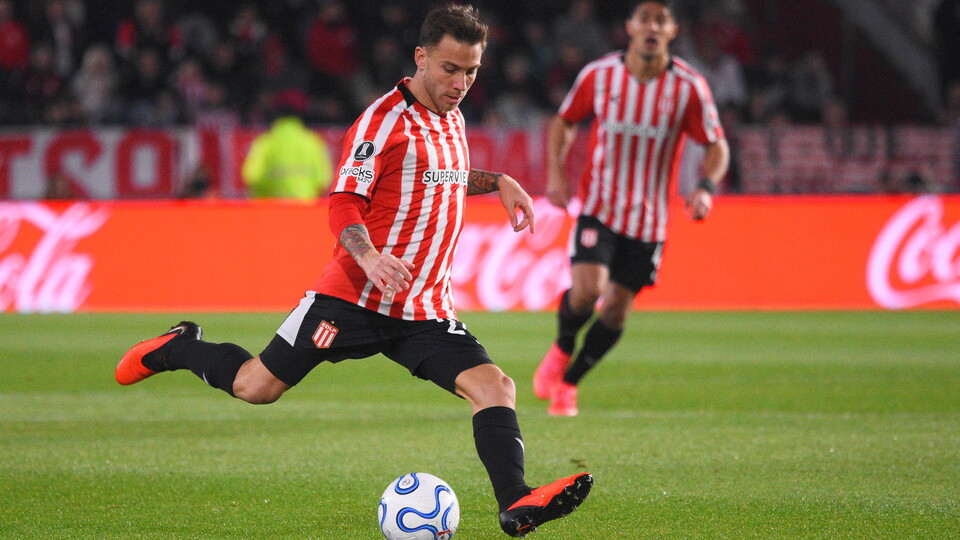
- Flamengo have recorded more than three times as many build-up attacks as Estudiantes (24 to 7), while the ‘Pincha’ carry out 13.0% of their defensive actions in the attacking third, more than any other semifinalist.
Four teams, two ties and one question ahead of each first leg: what does each side bring to the table? The answers lie in their styles of play, and Opta data collected since the start of the Group Stage helps paint a clearer picture. This is not a prediction, but rather a key to understanding each tie, based on how the CONMEBOL Libertadores semifinalists have attacked and defended on their way to this stage.

Fluminense–Palmeiras: patience versus volume
'Flu' are the most patient of the four semifinalists: 159 sequences of ten or more passes, almost twice Palmeiras' tally of 80, 30 build-up attacks resulting in three goals, an average of 4.4 passes per sequence and just 6.9% of their passes played long. They also have a goalkeeper in Fábio whose average distribution distance is 19.3 metres, the shortest among the eight semifinalists across both competitions. When the scores are level or they are trailing, Fluminense enjoy 64.2% possession. In Lucho Acosta, they have the player with the most line-breaking passes in the final third across the entire competition, with 23. Their 11 goals, against an expected goals (xG) tally of 11.4, have come almost entirely from open play: ten, plus one penalty.
Palmeiras respond with volume and pressure. They have registered 184 shots to Fluminense's 125, 57 shots on target to 41, generated 19.4 xG compared with 11.4 and scored 15 goals, six of them from set pieces, compared with just one for the 'Tricolor'. Their 21 build-up attacks have yielded no goals, but their 69 ball recoveries in the opposition half, compared with 58, have led to 11 shots. Their PPDA — passes allowed per defensive action in the first 60 metres of the opposition's build-up — stands at 9.2, the most aggressive pressing figure among the eight semifinalists across both competitions.
Palmeiras dominate in the air, winning 64% of their defensive aerial duels compared with Fluminense's 57.8%, and boast the two players with the most passes breaking through the opposition's defensive line in the competition: Marlon Freitas, with 18, and José Manuel López, with 14. Fluminense, who have never lost a home knockout match in the competition, recording 15 wins and five draws in 20 games, will need to sustain their long passing sequences against the most intense press in the tournament. That is the key battle at the Maracanã.
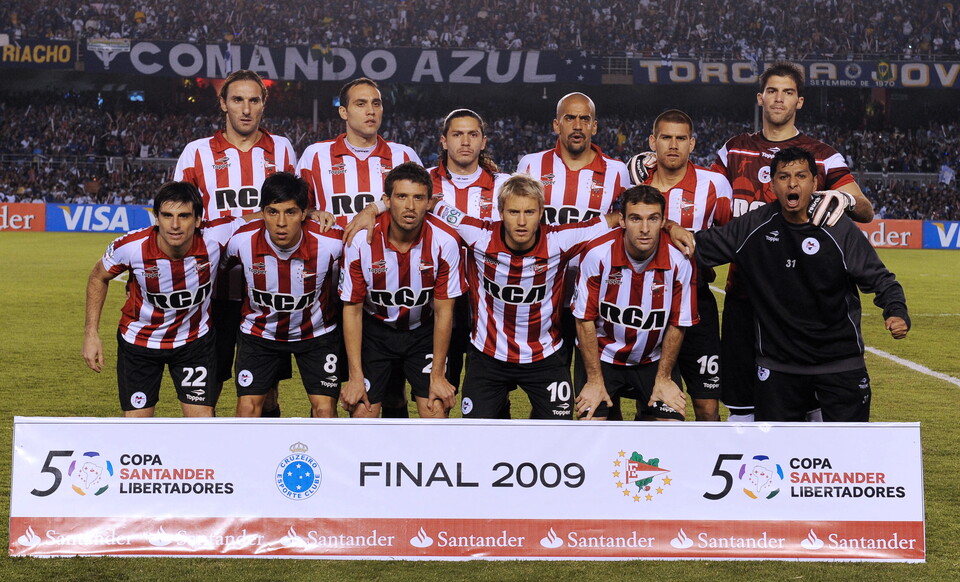
Estudiantes–Flamengo: the champions' build-up play under pressure
The contrast in La Plata is one of volume. Flamengo have recorded 24 build-up attacks compared with just seven for Estudiantes, and 101 sequences of ten or more passes compared with 62. They are the only team in the competition to average more than two direct attacks and more than two build-up attacks per match, scoring four goals from direct attacks. Flamengo have scored 17 goals against an expected goals (xG) tally of 17.5, including 13 from open play, while giving little away defensively: their goalkeeper has made just 17 saves in ten matches, and they have won 66.0% of their defensive aerial duels, the highest percentage among the eight semifinalists across both competitions.
The 'Pincha' take a different approach. Long balls account for 14.6% of their passes, compared with 9.0% for the 'Mengão'. They have registered 34 headed attempts compared with Flamengo's 24, while four of their 12 goals have come from set pieces. But their main weapon is their pressing. Estudiantes carry out 13.0% of their defensive actions in the attacking third, more than any other semifinalist. Their PPDA stands at 10.3 compared with Flamengo's 12.1, while their 77 high turnovers have produced 20 shots, two more than Flamengo despite seeing less of the ball.
Ezequiel Piovi, with 23 tackles and 288 high-intensity pressing actions, leads that first line of pressure. In April's 1-1 draw in La Plata, the 'Pincha' completed 78 passes in the final third while restricting the defending champions to just 39, their lowest tally in this edition. That is where the key battle lies: whether Estudiantes can once again disrupt Flamengo's build-up play or whether the champions can find a way to impose their own style.
Each tie has its key figures, and the goalscorers could prove decisive. Bruno Henrique, the competition's most clinical finisher with five goals from 13 shots, and José Manuel López, one of only two players in the tournament to register at least three goals and three assists, lead the way. At the Maracanã and in La Plata, each match promises a clash of clearly defined playing identities.