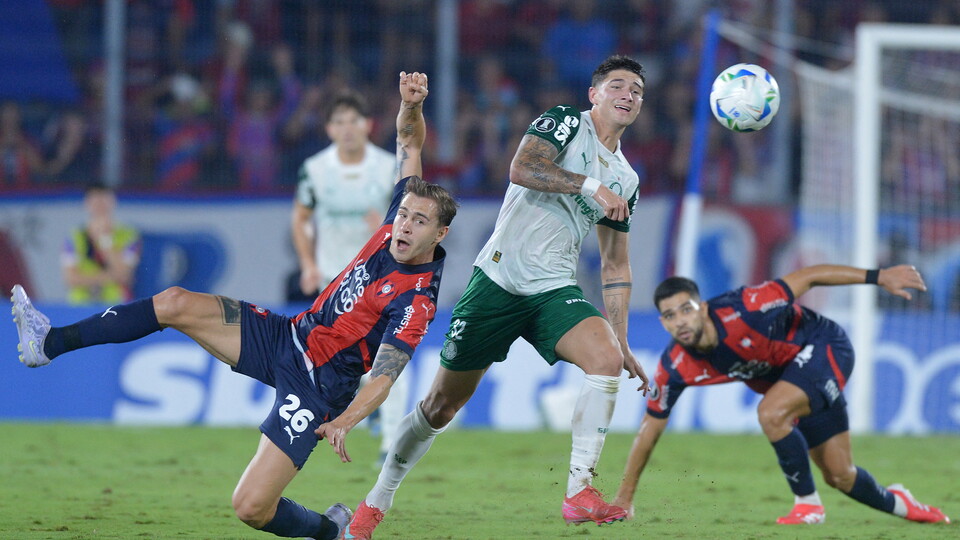
- The 32 teams will be allocated into the pots for the CONMEBOL Libertadores group stage draw.
- The draw will take place next Thursday, March 19, at 8:00 PM (Paraguay time).
The draw for the 2026 Copa Libertadores group stage will take place on Thursday, March 19, starting at 8:00 PM (Paraguay time), at the CONMEBOL headquarters in Luque, Paraguay. The event will be broadcast live on the competition’s official YouTube channel.
The ceremony will determine the composition of the tournament’s eight groups, each consisting of four teams, marking the starting point on the road to continental glory.
A total of 32 teams from ten countries will take part in the group stage draw. Twenty-eight secured direct qualification, while the remaining four earned their place through the third qualifying round.
Here is how the pots are structured.

Pot 1
Flamengo (Brazil)
The reigning 2025 champions secured direct qualification after lifting their fourth continental title in the final against Palmeiras, and now set their sights on defending their crown. Also winners of the Brasileirão, Flamengo arrive in the group stage following a thrilling defeat to Lanús in the CONMEBOL Recopa Sudamericana, and with Leonardo Jardim newly appointed as head coach after the departure of Filipe Luís.
Palmeiras (Brazil)
Last season’s CONMEBOL Libertadores runners-up will be eager to avenge that defeat in a new campaign they enter as Brasileirão runners-up, having finished just three points behind Flamengo. Led by two-time champion Abel Ferreira—the architect of their 2020 and 2021 triumphs—Verdão will be chasing a fourth title in the competition.
Peñarol (Uruguay)
Their runner-up finish in Uruguay secured a place in the group stage. A perennial force in continental football, Peñarol will once again be guided by Diego Aguirre, a club legend both as a player and now as a coach. He led the side to the 2011 final and the 2024 semi-finals, and now aims to revive the glory days of Peñarol’s continental reign. The club boasts five Libertadores titles, the last won in 1987 with Aguirre scoring a dramatic 120th-minute winner in the playoff against América de Cali.
Nacional (Uruguay)
Uruguayan champions Nacional booked their place in the group stage by defeating Peñarol in the title decider. No team in South America has participated more frequently in the Libertadores than the Bolso, who have featured continuously since 1996—making 2026 their 53rd appearance. Three-time champions, Nacional will look to reconnect with the glory days last enjoyed in 1988.

Boca Juniors (Argentina)
The Xeneize return to the group stage after a two-year absence. Having featured in the CONMEBOL Sudamericana in 2024 and fallen in the preliminary rounds of the 2025 Libertadores, their qualification carried added significance after defeating River in the Argentine Superclásico to secure second place in the annual standings. With six titles to their name, Boca will once again set their sights on the long-awaited seventh.
Liga de Quito (Ecuador)
Runners-up in the final hexagonal stage of Ecuador’s league, Liga de Quito secured a direct place in the group stage. Champions of the unforgettable 2008 edition, they re-emerged as a continental force in 2023 by lifting the Sudamericana, laying the foundations for their latest Libertadores campaign. In 2025, they reached the semi-finals after eliminating Botafogo and São Paulo, before being knocked out by Palmeiras.
Fluminense (Brazil)
A fifth-place finish in the latest Brasileirão secured the final direct berth into the group stage. Libertadores champions in 2023, this will mark their 11th participation, having become a near-constant presence since 2021—missing only the 2025 edition, when they reached the CONMEBOL Sudamericana semi-finals before falling to Lanús.
Independiente del Valle (Ecuador)
No longer a surprise on the continental stage, Independiente del Valle’s status among the top seeds reflects their consistency both domestically and internationally. They reclaimed the Ecuadorian league title after four years with an impressive campaign that saw them lose just twice. On the continental front, they are always a dangerous opponent: two-time CONMEBOL Sudamericana champions and Libertadores finalists in 2016. In 2025, they reached the CONMEBOL Sudamericana semi-finals.

Pot 2
Lanús (Argentina)
El Granate arrive in the CONMEBOL Libertadores riding the momentum of recent continental success, having claimed the CONMEBOL Sudamericana title against Atlético Mineiro—a triumph that secured their place in this edition—and followed it up with victory over Flamengo in the CONMEBOL Recopa, winning at home and delivering a memorable performance at the Maracanã. Over the past three decades, Lanús have grown into a consistent force both domestically and internationally, highlighted by their runner-up finish in the 2017 CONMEBOL Libertadores after falling to Grêmio in the final.
Libertad (Paraguay)
Libertad were among the first teams to secure their Libertadores spot, clinching qualification by winning the Apertura tournament in June last year. This will mark their 25th appearance in South America’s premier club competition. In 2025, they reached the round of 16, where they were eliminated on penalties by River Plate after a strong showing at the Monumental. Their best historical performances came with two semi-final runs: in 1977, when they fell short in the final group stage won by Boca Juniors, and in 2006, when they were knocked out by eventual champions Internacional.
Estudiantes de La Plata (Argentina)
Four-time champions, Estudiantes are always a formidable opponent. In the most recent edition, they pushed eventual winners Flamengo to the limit, forcing a penalty shootout in the quarter-finals after a 1-0 home victory. Despite the elimination, Estudiantes showcased the qualities that would later lead them to the Clausura title. After an inconsistent start, they eliminated Rosario Central, Central Córdoba, and arch-rivals Gimnasia before defeating Racing—another continental semi-finalist eliminated by Flamengo—in the final.
Cerro Porteño (Paraguay)
Cerro Porteño ended last year on a high, winning the 2025 Clausura in dramatic fashion by edging Guaraní by a single point thanks to a decisive victory on the final matchday. That title secured their direct place in the group stage. Leaders of the annual standings in Paraguay, El Ciclón de Barrio Obrero will make their 47th Libertadores appearance, having qualified for every edition since 2018. In 2025, they were eliminated in the round of 16 after a closely contested tie against Estudiantes. In 2026, they will aim to break through the semi-final barrier—a stage they have reached five times.

Corinthians (Brazil)
Timão celebrated a landmark season with their victory over Vasco da Gama in the Copa do Brasil final, a triumph that secured their place in the CONMEBOL Libertadores group stage. Champions in the unforgettable 2012 final against Boca Juniors—further cementing that legacy by defeating Chelsea in the FIFA Club World Cup final—Corinthians now set their sights on a second continental crown in their 19th appearance. Strengthened by the arrival of England international Jesse Lingard and boosted by an early-season win over Flamengo in the Supercopa do Brasil, they enter the tournament with renewed ambition.
Bolívar (Bolivia)
Bolívar finished as runners-up in Bolivia’s 2025 top flight, three points behind champions Always Ready. Regular participants since 2017, they reached the quarter-finals in 2023 and the round of 16 in 2024. At the Hernando Siles, they dream of surpassing their historic semi-final runs in 1986 and 2014 in the CONMEBOL Libertadores.
Cruzeiro (Brazil)
Third in the latest Brasileirão standings, Cruzeiro’s return marks a major milestone—their last Libertadores appearance came in 2019, when they were eliminated on penalties by River Plate in the round of 16. Since then, the Belo Horizonte side endured relegation to Série B and a challenging rebuilding process. Following their return to the top flight, they have steadily regained prominence both domestically and internationally, reaching the 2024 CONMEBOL Sudamericana final, where they fell to Racing. Two-time CONMEBOL Libertadores champions, Raposa now dream of a third crown.
Universitario (Perú)
It was a dominant 2025 for Los Cremas, who swept both the Apertura and Clausura titles while losing just four matches all year. Then coached by Uruguay’s Jorge Fossati, the Peruvian side is now led by Spanish manager Javier Rabanal. For Universitario—finalists in the 1972 Libertadores, where they fell to Independiente—2025 marked a breakthrough, as they advanced beyond the group stage of the competition for the first time in 15 years.
Pot 3
Junior (Colombia)
Crowned champions of the Finalización tournament in December after defeating Deportes Tolima in the title decider, the Tiburón celebrated the 11th league title in their history and secured direct qualification to the group stage. This will be their 19th appearance in the competition, with their best run coming in 1994, when they reached the semi-finals before falling on penalties to Carlos Bianchi’s Vélez. Absent in 2025, they were eliminated in the round of 16 in 2024 by Colo-Colo.
Universidad Católica (Chile)
Runners-up in South America after losing the 1993 final to São Paulo, ‘Los Cruzados’ return to the continent’s premier competition after a three-year absence. A 2-1 victory over Unión La Calera on the final matchday of the Liga de Primera secured direct qualification to the group stage as Chile’s second representative. With an experienced squad, ‘La Franja’ will look to make a strong return to the CONMEBOL Libertadores.
Santa Fe (Colombia)
The Cardenal claimed the Apertura title in Colombia, becoming the first team from their country to secure a place in the March 19 draw. Led by striker Hugo Rodallega, ‘El Expreso Rojo’ will aim to return to the semi-finals, as they did in 2013, when they defeated Grêmio and Real Garcilaso before falling to Olimpia.
Rosario Central (Argentina)
El Canalla topped Argentina’s annual standings. The return of Ángel Di María transformed the Rosario side into one of the most consistent and impressive teams in the country—a level they now hope to replicate on the continental stage under manager Miguel Almirón, a CONMEBOL Libertadores runner-up with Lanús in 2017 and Boca Juniors in 2023. This will be their 14th participation, with semi-final appearances in 1975 and 2001 marking their best runs. Backed by the iconic Gigante de Arroyito, the club will look to celebrate its centenary with a historic continental achievement.

Always Ready (Bolivia)
The El Alto-based club were crowned champions of Bolivian football, securing their fourth national title and booking their place in the 2026 Libertadores. It marks another milestone in the steady rise of their sporting project since returning to the top flight in 2019—a resurgence that saw them reclaim domestic glory in 2020 after decades without a title and establish themselves as regular continental participants. With the Estadio Municipal de El Alto—one of the highest-altitude venues in world football—as a formidable stronghold, the Albirrojo will aim to advance beyond the group stage for the first time.
Coquimbo Unido (Chile)
The Pirata captured the first title in the club’s history with a remarkable campaign, finishing top of the table with 75 points—17 clear of runners-up Universidad Católica. Over the course of the season, they put together a run of 16 consecutive victories, suffered just one defeat in 30 matches, and conceded only 17 goals—figures that underline the dominance of their triumph. They carried that momentum into the new year by lifting the Chilean Super Cup in January. This will be their second CONMEBOL Libertadores appearance, having previously exited in the group stage in 1992.
Deportivo La Guaira (Venezuela)
Although they did not win either of the season’s titles, Deportivo La Guaira topped the overall standings and secured one of the spots in the CONMEBOL Libertadores group stage. ‘El Naranja’ blend experience with youth, forming an intriguing squad for what will be just their second Libertadores campaign. They were eliminated in the second round in 2019 and exited in the group stage in 2021, and now return with renewed ambition.
Cusco (Perú)
The Cusco-based side finished as the second-best team in the overall standings after placing third in the Apertura and second in the Clausura. Their qualification, however, was sealed through a decisive playoff among the top teams in the aggregate table, where Cusco defeated Sporting Cristal to secure their CONMEBOL Libertadores return after six years. With home advantage in the altitude of Cusco as a key asset, Los Guerreros Dorados will make their fifth appearance in the competition. In 2013, then competing as Real Garcilaso, they reached the quarter-finals.

Pot 4
Platense (Argentina)
One of the tournament’s debutants, Platense secured their place after a historic triumph in the 2025 Apertura of Argentine football. El Calamar lifted the first top-flight title in the club’s history after eliminating Racing Club, River Plate, and San Lorenzo away from home, before defeating Huracán in the final. Their CONMEBOL Libertadores appearance represents the culmination of a remarkable journey for a historic club that was playing in the third division as recently as 2018.
Independiente Rivadavia (Argentina)
It will also be a landmark moment for Mendoza’s ‘Lepra’. Independiente Rivadavia captured the 2025 Copa Argentina—the first official title in the club’s history—and secured their debut in the CONMEBOL Libertadores. Built on a competitive identity and a project that has steadily grown since their promotion to the top flight in 2023, they approach the continental stage as a reward for sustained progress.
Universidad Central (Venezuela)
El Tricolor were among the first teams on the continent to secure their place in the 2026 CONMEBOL Libertadores following a historic domestic campaign. The Caracas-based side won the Apertura and later claimed the Liga FUTVE title, ending a 68-year drought and booking a spot in the group stage. After making their debut in 2025—where they were eliminated in the second round—they now return with greater experience and ambition.
Mirassol (Brasil)
Mirassol produced one of the biggest surprises in Brazilian football by finishing fourth in the league and securing their first-ever qualification for the CONMEBOL Libertadores. A 1-1 draw against Santos in the closing stages of the season sealed the historic achievement for the São Paulo-based club, who now prepare for their continental debut after a campaign that established them as one of Brazil’s breakout sides.
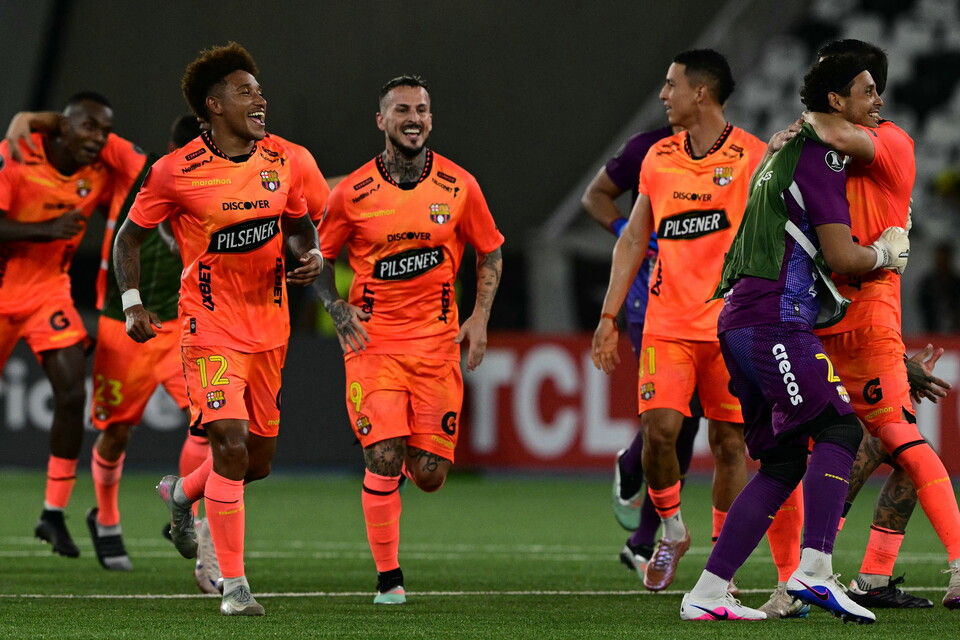
Barcelona (Ecuador)
El Ídolo del Astillero secured their place in the group stage after navigating a demanding qualifying campaign. In Phase 2, they eliminated Argentinos Juniors, and in Phase 3 they knocked out Botafogo, sealing their progression to the 2026 CONMEBOL Libertadores proper with impressive away victories in challenging venues such as La Paternal and Rio de Janeiro. Barcelona will now aim to reestablish themselves as a major force in a competition where they have historically been among the continent’s most prominent contenders.
Independiente Medellín (Colombia)
El Poderoso booked their spot in the group stage after coming through a tough preliminary path. Following a second-place finish in Colombia’s aggregate standings, the Medellín side eliminated Uruguay’s Liverpool and Juventud to become the country’s fourth representative in the 2026 CONMEBOL Libertadores group stage. Backed by strong continental pedigree and a passionate fanbase, they will look to make an impact on their return to the tournament after last appearing in 2023. Their best continental run came in 2003, when they reached the semi-finals after eliminating Racing Club and River Plate before falling to Boca Juniors.
Deportes Tolima (Colombia)
El Pijao were Colombia’s standout team of the year, topping the aggregate table with 95 points. Their road to the CONMEBOL Libertadores group stage began in Phase 2, where they eliminated Deportivo Táchira, and continued in Phase 3 with a victory over O’Higgins. With those two ties successfully navigated, Tolima secured their place among the continent’s top 32 teams. This will be their second consecutive appearance, with their best-ever campaign coming in 1982, when they reached the semi-finals.
Sporting Cristal (Perú)
The Lima-based side reached the group stage after advancing through two qualifying rounds. They first overcame 2 de Mayo in Phase 2 and then eliminated Carabobo in Phase 3, confirming their return to the tournament’s main stage. With a strong continental tradition and a competitive squad, Sporting Cristal will look to regain the international prominence they once enjoyed, most notably in 1997, when they finished as runners-up after losing the final to Cruzeiro.