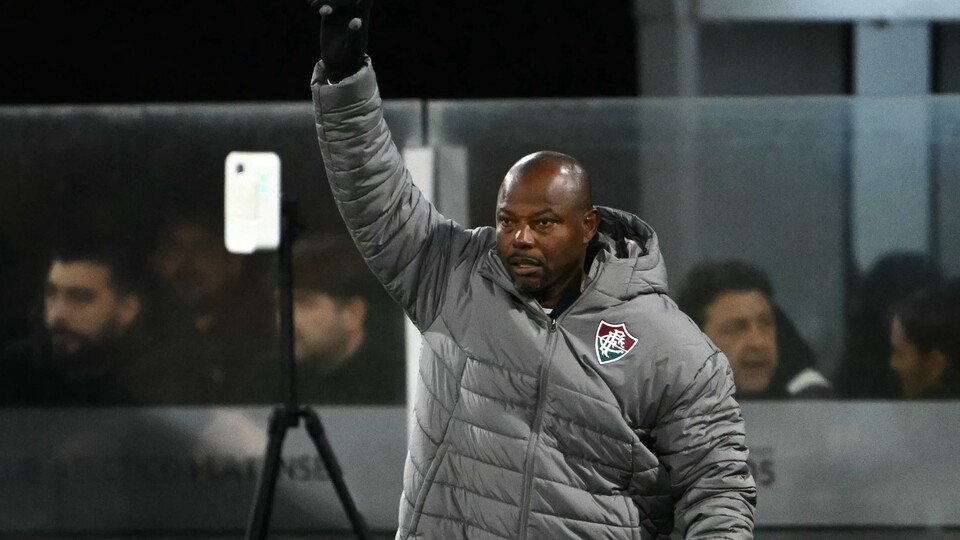
- The former midfielder, a historic figure at the club, took charge of the team once again in August and, just seven matches later, has already guided Fluminense to the CONMEBOL Libertadores Semi-finals.
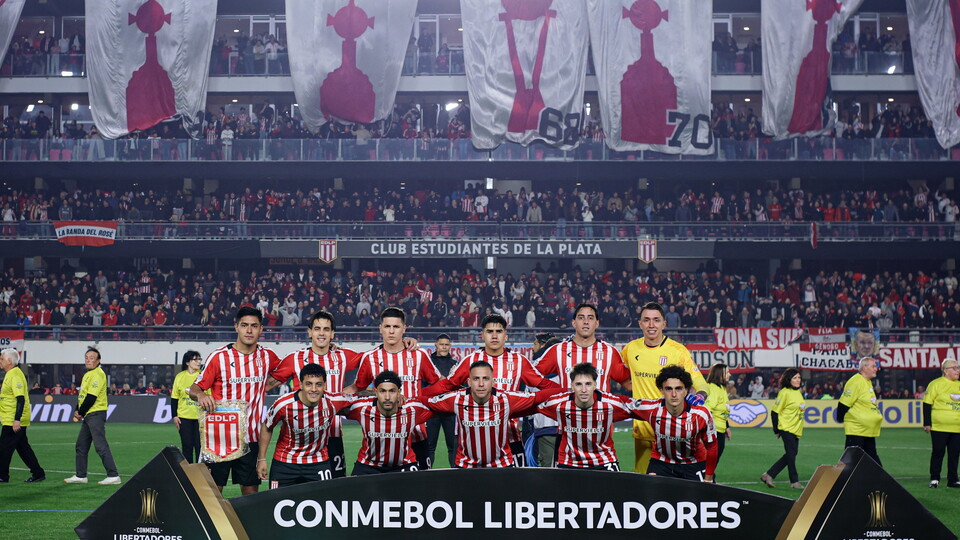
- After eliminating Independiente Rivadavia in the Round of 16, he came through a demanding tie against Platense to put the ‘Tricolor’ among the final four in South America.
Fluminense are already among the final four of the CONMEBOL Libertadores. Marcão, who has only managed three matches in the competition so far, guided the ‘Tricolor’ into the Semi-finals after coming through a demanding tie against Platense. Qualification added another chapter to a remarkable story: that of a man who knows every corner of the club, has been connected to its colours for almost three decades and is only now beginning to build his path as a coach on South America’s biggest club stage.
His first appearance at the Maracanã was perfect. Fluminense won 2-0 through goals from Nonato and Hulk to build an important advantage ahead of the return leg in Vicente López and extend the recovery that began with his arrival on the bench as Luis Zubeldía’s replacement.
Platense tried to press high and contest possession during the opening minutes, but the Brazilian side settled the match through their individual quality. In the 20th minute of the first half, Hulk found a gap and set up Nonato to open the scoring. Ten minutes later, the forward received the ball from the magician Paulo Henrique Ganso and scored the second. Within half an hour, Marcão’s side had tilted both the match and the tie in their favour.
The victory confirmed the coach’s impact: since taking charge, Fluminense have played seven matches, recording four wins, two draws and one defeat, with 13 goals scored and nine conceded. They beat Palmeiras, Remo, Vasco and Platense, while drawing against Independiente Rivadavia and Athletico Paranaense. They also eliminated the Mendoza side in a penalty shoot-out and secured qualification for the CONMEBOL Libertadores Semi-finals.
A life in Fluminense’s three colours
Marcão needs no settling-in period and no time to familiarise himself with the corridors of Fluminense. Whenever the club goes through a change of coach, his name naturally emerges as a solution. He is not simply a permanent member of the coaching staff: he is a living part of the ‘Tricolor’s’ history.
Marco Aurélio de Oliveira’s relationship with the club began in 1999, during one of the most difficult periods in its history. He arrived as a player and was part of the squad that won the Série C, helping to launch Fluminense’s return to the top flight.
A hard-working, energetic and commanding midfielder, he became one of the key figures in that rebuilding process. He also won the Campeonato Carioca in 2002 and 2005 and even wore the captain’s armband. His record reflects the stature he achieved at the club: 397 appearances and 22 goals in a Fluminense shirt.
After retiring, he began his career on the touchline. He managed Bangu, River do Piauí and Bonsucesso, worked as an assistant coach at Sport Recife and later returned to Fluminense to join the club’s football structure. Since then, he has worked alongside several different coaches and remained one of the key sources of continuity within the project.
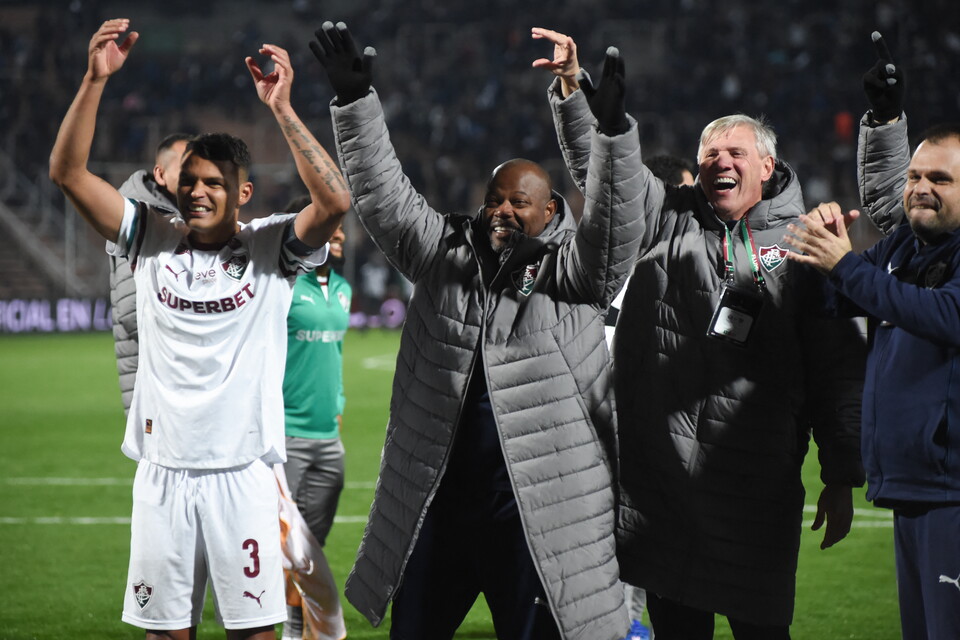
The specialist in difficult missions
His track record helps explain the trust placed in him. In 2019, he took charge during the closing stages of the Brasileirão, steered Fluminense away from the relegation zone and secured qualification for the CONMEBOL Sudamericana.
A year later, he replaced Odair Hellmann, who left the club to continue his career abroad. Marcão maintained the team’s momentum, guided them to fifth place in the league and secured a return to the CONMEBOL Libertadores after an eight-year absence. In 2021, following Roger Machado’s departure, he once again took charge through the end of the season and delivered another continental qualification.
The latest call came in August 2026. Fluminense were winless in eight matches and had just drawn 0-0 at home against Independiente Rivadavia in the first leg of their Round of 16 tie. The departure of Argentine coach Luis Zubeldía once again opened the door for the club stalwart.
The response was immediate. In his first match, Fluminense came from behind twice against Palmeiras before winning 3-2 through a Germán Cano goal in stoppage time. Three days later, Marcão made his CONMEBOL Libertadores coaching debut: his side drew 1-1 in Mendoza and advanced on penalties, with Fábio making two saves. A 2-1 comeback victory over Remo followed and ultimately convinced the board. President Mattheus Montenegro then announced that Fluminense would not look for another coach. Marcão was no longer a temporary solution: he had become the man entrusted with leading the team through the end of the season.
In Mendoza, he also offered a glimpse of his leadership style. Thiago Silva revealed that Marcão involved the squad’s senior players in the tactical preparation and accepted a change proposed by the captain: switching the positions of Kevin Serna and Yeferson Soteldo. The adjustment allowed Fluminense to exploit a gap in the opposition defence and ultimately led to Serna’s goal.
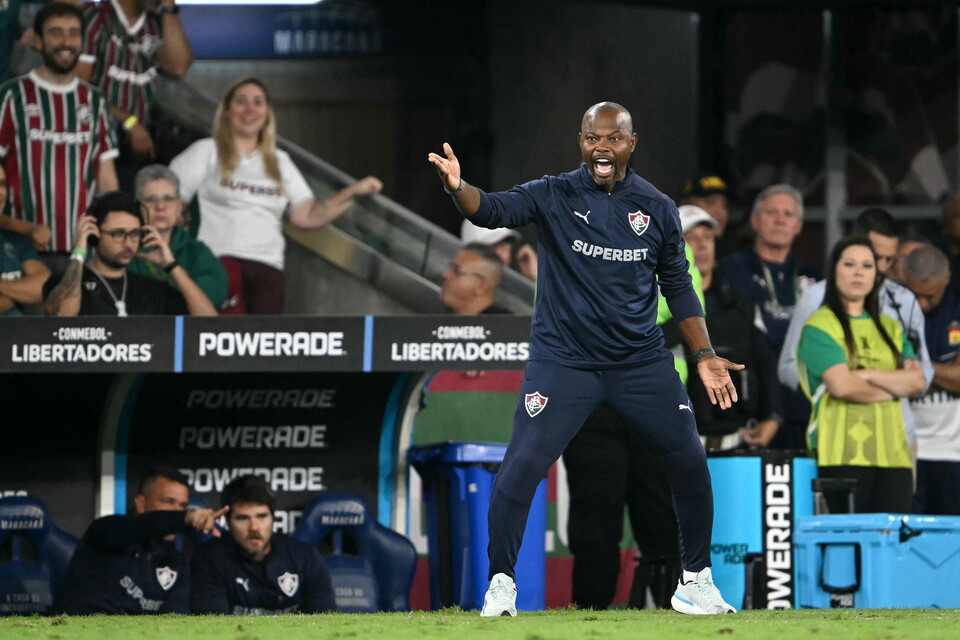
From emergency to belief
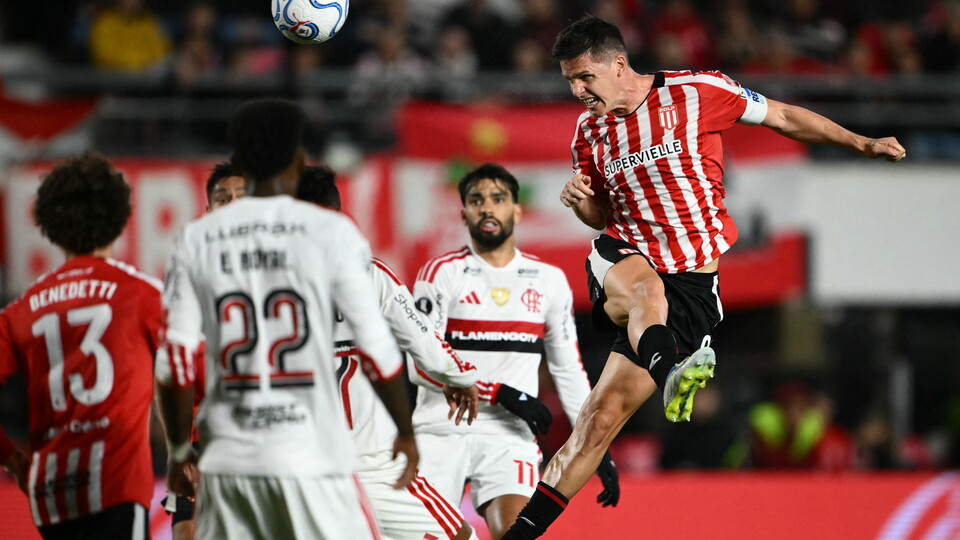
Marcão has spent much of his coaching career answering calls in moments of urgency. This time, however, the story feels different. Fluminense travelled to Vicente López with a two-goal advantage, suffered against a Platense side that managed to level the tie in the first half, but found the response they needed after the break. Agustín Canobbio scored what proved to be the decisive goal and, despite the 2-1 defeat, the ‘Tricolor’ advanced to the Semi-finals with a 3-2 aggregate victory.
The loss brought an end to the six-match unbeaten run since Marcão’s arrival, but not to the momentum generated by his return. The team he inherited in the middle of an eight-game winless streak is now among the final four in South America. Marcão knows all about rebuilding processes: he was part of one as a player in 1999, experienced others as an assistant coach and has led several from the dugout. Almost three decades after first pulling on the Fluminense shirt, the club’s eternal man is now just one tie away from reaching the CONMEBOL Libertadores Final.