- The 32 teams set to take part in the March 19 draw bring with them a wealth of compelling storylines to follow closely.
- Returns, new challenges, cross-town moves, imminent milestones, and more set the stage on the road to the group phase.
The CONMEBOL Libertadores is gearing up for another edition. With the preliminary rounds completed and the 32 teams that will make up the draw pots already confirmed, the March 19 draw will determine each side’s path toward eternal glory. The action resumes on April 7, when the ball starts rolling once again and new stories begin to unfold—stories destined to be etched into the history of the continent’s most prestigious competition.
Each edition of the tournament brings fresh narratives: teams looking to cement their dominance, traditional giants striving to reclaim their place at the top, and clubs dreaming of pulling off a historic upset. In this setting—steeped in history, pressure, and passion—there are always players capable of making the difference, tipping the balance in decisive matches and emerging as the defining faces of their teams’ campaigns.
The group stage often serves as the first true barometer of the competition. It is where contenders begin to take shape, surprise packages emerge, and key figures establish themselves before potentially deciding knockout ties. That is why, before the action gets underway, we turn the spotlight on ten names poised to play a leading role at the start of the tournament.
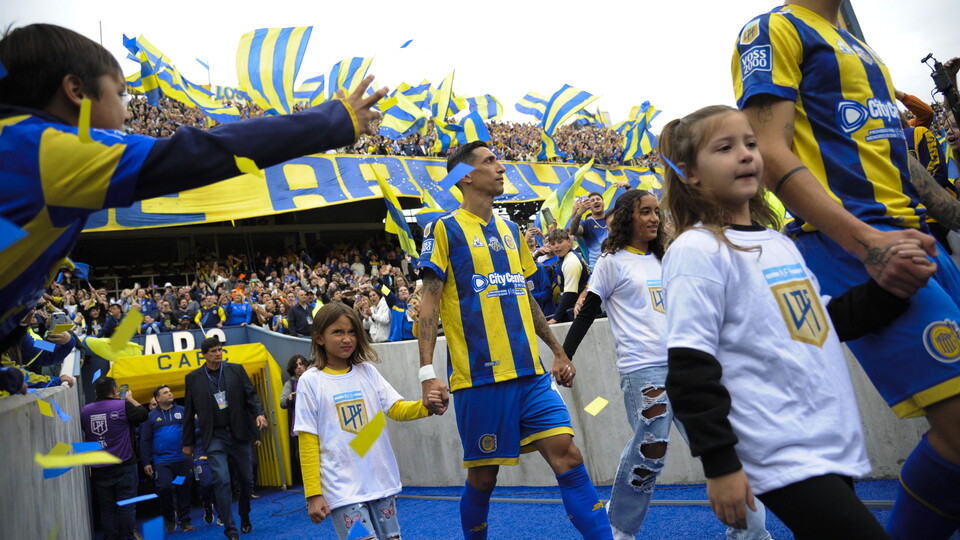
Ángel Di María
Few players can match the trajectory and résumé of Ángel Di María—a career of extraordinary scope that has taken him to some of the world’s biggest clubs and delivered football’s most coveted honors. ‘Angelito’ has experienced glory in nearly every form: a World Cup winner, Copa América champion, and Olympic gold medalist with Argentina, a UEFA Champions League winner with Real Madrid, and a multiple domestic title holder with Los Blancos, Paris Saint-Germain, and Benfica, in addition to spells with Manchester United and Juventus.
After fulfilling the ultimate dream of becoming a world champion with Argentina—playing a decisive role with his goal in the final against France—Di María chose to return to his roots. Despite interest from other clubs and markets, emotion prevailed: Rosario Central came calling, and the club icon packed his bags and returned home with his family.
Around his presence, a resurgent Rosario Central side took shape, finishing 2025 as the team with the most points in Argentine football. Di María, as if guided by a magic touch, delivered a series of unforgettable moments: a stunning free-kick in the derby against Newell’s, an Olympic goal against Boca Juniors, and a standout performance against Racing Club at the Cilindro in Avellaneda. Each display adds a new chapter to a legendary career—at 38, he remains as decisive and unstoppable as ever.
His return to the CONMEBOL Libertadores marks the first step toward achieving one of the few goals still missing from his illustrious career. Months before finalizing his return in May 2025, Di María allowed himself to dream big: “I’d love to play in the Libertadores again with Central. I played it once when I was 17—I was very young and couldn’t fully experience it. Winning it would be a dream. Lifting a title with Central is something I truly want, but winning the Libertadores wouldn’t just be a dream—it would be something historic, the perfect ending to my career.”
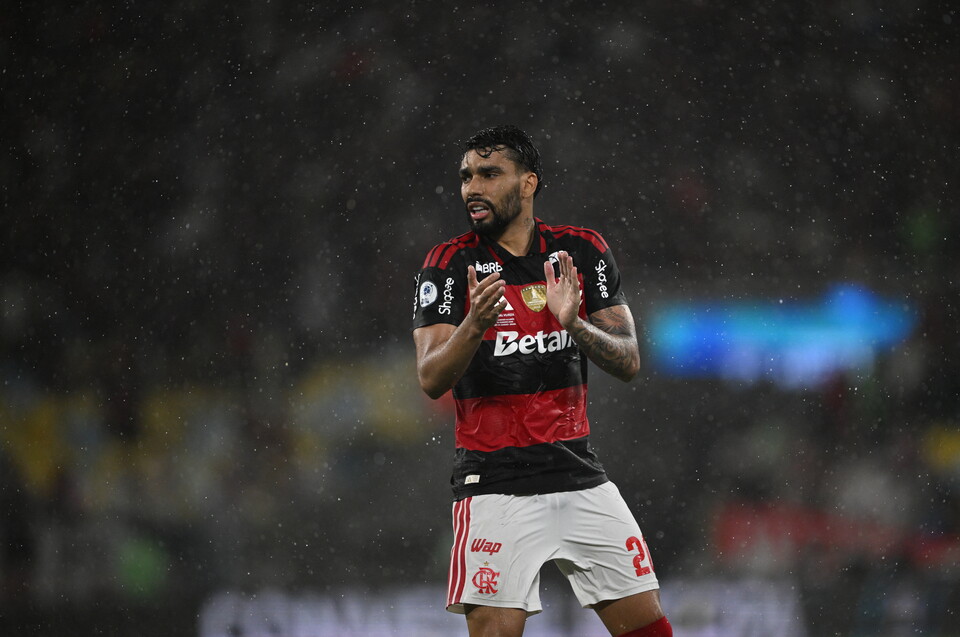
Lucas Paquetá
Flamengo claimed both the CONMEBOL Libertadores and the Brasileirão titles in 2025. Heading into 2026 with the clear objective of defending their crowns, the Mengão doubled down on their ambition: not only did they keep their squad intact, but they also invested a record-breaking fee to bring Lucas Paquetá back—the most expensive transfer in South American football history.
Welcomed as a hero, the former West Ham midfielder revealed he had turned down multiple offers from European powerhouses in order to return to the club that developed him: “Tottenham and Chelsea called me. The funny thing is, Tatá (his agent) rang me and said, ‘Chelsea have called—they’re going to make an offer.’ I replied, ‘Okay, but what about Flamengo? That’s what I want to hear about.’ And that’s how it happened.”
Paquetá joined Flamengo at the age of ten in 2007 and rose through the Rubro-Negro academy before making his first-team debut in 2016. Two years later, after 96 appearances and 18 goals, he moved to AC Milan and began a seven-year spell in Europe, where he also played for Olympique Lyon and West Ham—winning the UEFA Conference League with the English side.
At 28, and despite strong interest from top European clubs, Paquetá will wear the Flamengo shirt once again as he returns to the CONMEBOL Libertadores in 2026. “I needed this. I’ve always been Flamengo through and through. I never stopped believing I would come back home one day. Maybe Flamengo didn’t need me, but I needed Flamengo. The results speak for themselves—2025 was a winning year, and that made my eyes light up.”
Leandro Paredes
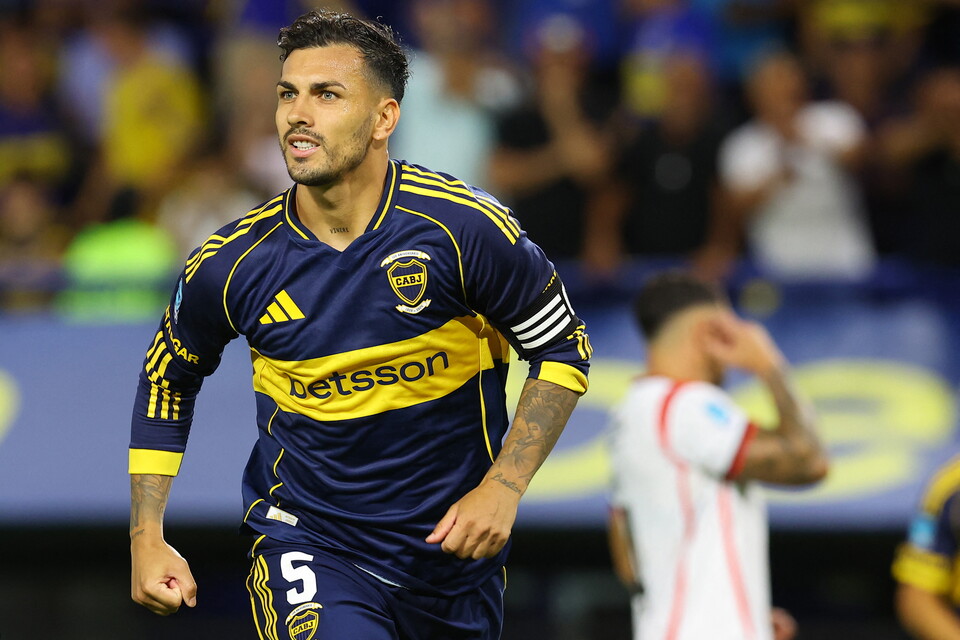
Boca Juniors return to the CONMEBOL Libertadores group stage with a World Cup winner as their standard-bearer. A product of the club and cherished since his debut at just 16, his homecoming was embraced by fans as an act of loyalty and love—elevating Leandro Paredes to the face of Boca’s pursuit of a historic seventh continental title.
A decade after departing for Europe, Paredes chose to bring his latest chapter with Roma to a close and sign a new deal with the Xeneize—a return celebrated by more than 50,000 fans at La Bombonera in July 2025. Developed in the club’s academy and shaped by a career across some of the world’s most competitive leagues, the midfielder comes back with the pedigree and experience forged at Roma, Paris Saint-Germain, Juventus, and with the Argentina national team.
Paredes left as an attacking midfielder and returns as a deep-lying playmaker—a transformation that helped establish him as a cornerstone of Argentina’s World Cup-winning and back-to-back Copa América triumphs. His impact was immediate: Boca improved markedly, defeated River in the Superclásico, and secured direct qualification for the group stage. His set-piece delivery proved decisive time and again, becoming the most lethal weapon in his arsenal.
Now, with the composure of a seasoned leader and the backing of La Bombonera, Paredes prepares to take on the challenge that defines Boca’s ambitions: leading the charge toward the long-awaited seventh CONMEBOL Libertadores title—the trophy the club has been chasing for over a decade.
Nicolás Lodeiro
“He’s not coming—he’s coming back.” That was how Nacional officially announced Nicolás Lodeiro’s return to the Gran Parque Central. “The idea of coming back was always alive. I’m a fan of the club and I feel the shirt like no one else. Wearing it again keeps me going. I’m happy with how everything worked out—I gave up a lot to return, out of love for the club and the desire to be here. Of course, I want to play in the Libertadores, but I want to play every match,” he said in his first press conference upon rejoining the ‘Bolso’ after a long spell abroad that saw him represent Ajax, Botafogo, Corinthians, Boca Juniors, Seattle Sounders, Orlando City, and Houston Dynamo in Major League Soccer.
Lodeiro achieved his initial objective within his first six months back: he was crowned Uruguayan champion in a thrilling title decider against Peñarol. Although ‘Nico’ himself cast some doubt over his continuity, Nacional’s No. 14 will ultimately fulfill his goal of featuring in the CONMEBOL Libertadores.
Back in 2009, he played a key role in one of the club’s last great continental campaigns, as Nacional finished among the top performers in the group stage and reached the semi-finals after eliminating Palmeiras in the quarter-finals. In 2016, he reached the same stage again—this time with Boca Juniors—before falling to Independiente del Valle. “I’ve always dreamed of winning the Libertadores,” he said at the time. In 2026, he will look to turn that dream into reality.
Rodrigo Castillo
The Lanús forward played a decisive role in the club’s double international triumph, emerging as one of the breakout stars of Argentine football after making his top-flight debut at the age of 23. Identified by the club’s technical department while playing for Gimnasia, he became a key figure in a partnership defined by success: he scored all three goals in the Sudamericana semi-finals against Universidad de Chile, started in the final against Atlético Mineiro, and netted twice in the CONMEBOL Recopa against Flamengo.
A versatile finisher, Castillo blends physical strength, aerial prowess, and sharp movement inside the box. His rise was as rapid as it was impactful, establishing him as the main attacking reference for Mauricio Pellegrino’s Lanús. His performances caught the attention of Fluminense, who invested a significant fee to secure his signing.
Libertadores champions in 2023, Fluminense—now managed by Argentina’s Luis Zubeldía—return to South America’s premier competition after featuring in the Sudamericana in 2025, where they reached the quarter-finals before being eliminated by eventual champions Lanús.
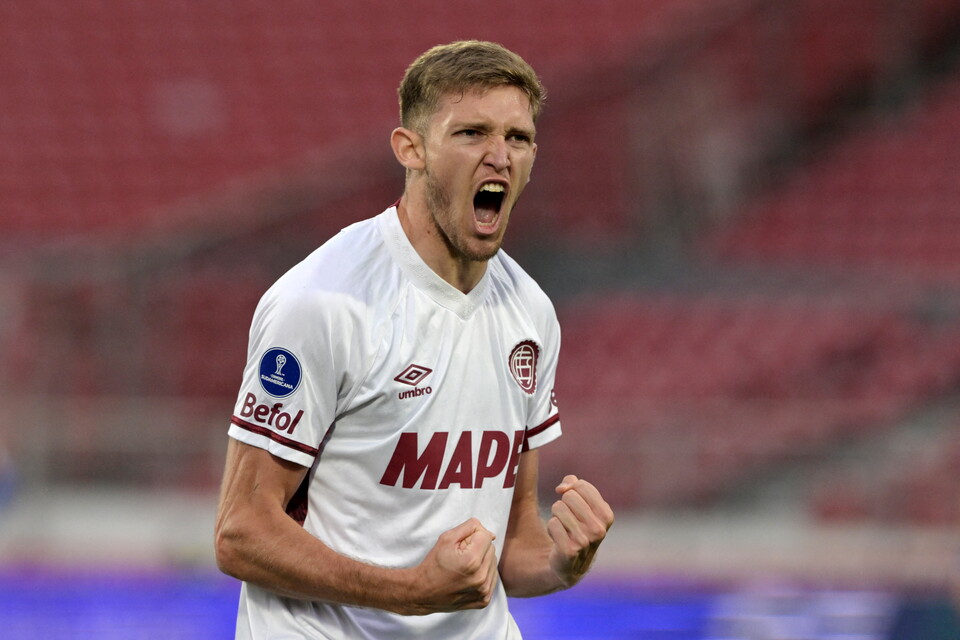
Pablo Vegetti
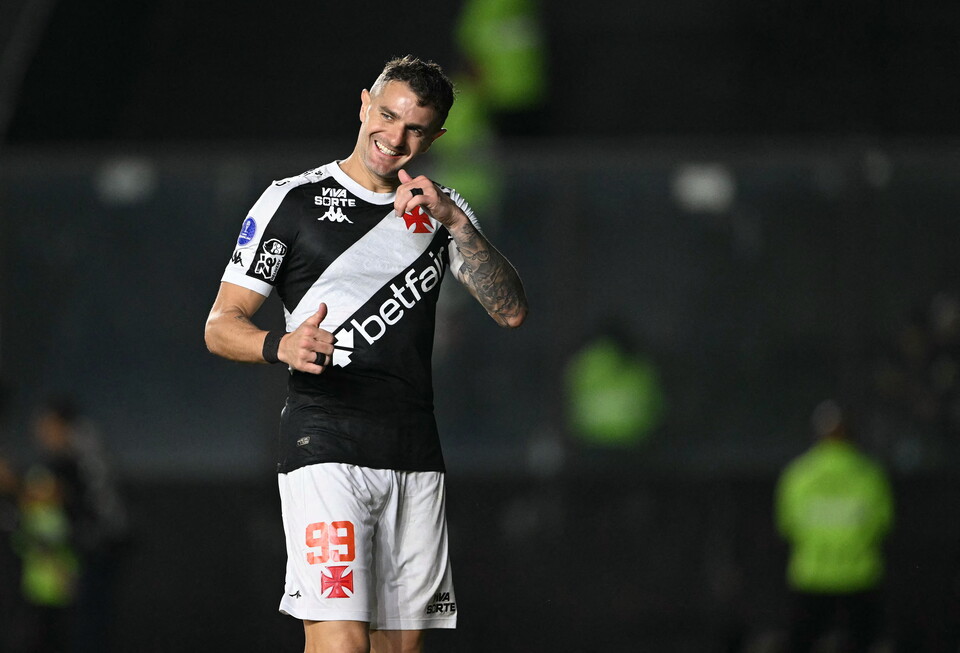
After building his career in Argentina’s lower divisions, Pablo Vegetti found his peak well into his thirties. Following standout performances with Belgrano de Córdoba, he moved to Brazil in 2023 at the age of 34 and quickly established himself as one of Vasco da Gama’s leading figures. He first played a crucial role in securing the club’s top-flight survival and, in 2025, finished as the top scorer in Brazilian football with 27 goals across all domestic competitions. With 60 goals in 140 appearances over the past three years, the ‘Pirata’ left Vasco as the club’s third-highest scorer of the 21st century, behind only Romário and Edmundo.
With the aim of translating their domestic dominance into continental success, 2025 Clausura champions Cerro Porteño strengthened their squad with Vegetti. At his unveiling, he highlighted the opportunity to compete in the CONMEBOL Libertadores for the first time: “It was a key factor in my decision to come. Every team that plays in it wants to win it, and we’ll do our part to give the fans that belief. Hopefully, together, we can achieve it. I have very high expectations—I’m joining a club that has just been crowned champions and is eager to fight for the Libertadores.”
Jesse Lingard
Corinthians return to the CONMEBOL Libertadores amid a wave of excitement surrounding the arrival of the first English player in the history of both the Brasileirão and South America’s premier club competition. Timão already boast Dutch forward Memphis Depay and have now added another European talent as they pursue a second continental crown.
Jesse Lingard was born on December 15, 1992, in Cheshire, England. A product of Manchester United’s academy, he made 149 appearances for the Red Devils and also featured for Leicester City, Birmingham City, Brighton & Hove Albion, Derby County, West Ham United, and South Korea’s FC Seoul.
Wearing the No. 77 shirt—a number that pays tribute to the iconic 1977 Campeonato Paulista, a landmark moment in the club’s history—Lingard will look to add attacking quality to Dorival Júnior’s side, primarily as a No. 10. “I can play as a 10, I can play on the left wing. To get the best out of myself, I usually play as a 10. It depends on the formation—it could be a 4-3-3—but I prefer to play as a 10.”
Fábio
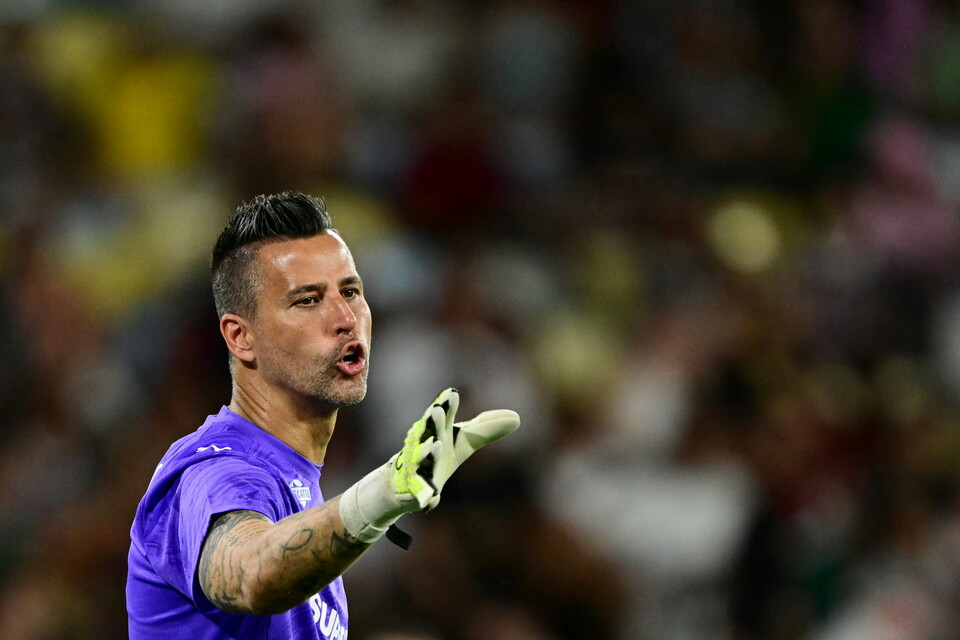
Few stories of perseverance and longevity in South American football are as striking as that of Fábio. The legendary Brazilian goalkeeper—an enduring symbol of consistency for more than two decades—remains a cornerstone for Fluminense, even well into his forties.
Instrumental in Fluzão’s triumph in the 2023 edition, he returns to the continent’s premier stage as one of the leaders of Luis Zubeldía’s side, with the chance to etch his name into history as the player with the most appearances in the competition.
The current record belongs to Éver Hugo Almeida, who made 113 appearances across 16 editions, all with Paraguay’s Olimpia during the club’s golden era—when they lifted two CONMEBOL Libertadores titles, later adding a third. Close behind is River Plate goalkeeper Franco Armani, with 112 matches across twelve campaigns, playing a key role in two of the club’s triumphs. Third place is shared by Enzo Pérez—who added one appearance during the preliminary rounds with Argentinos Juniors—and Fábio himself, both with 110 matches.
With his reflexes still sharp, a quiet yet commanding leadership style, and vast experience in high-stakes matches, Fábio has built a career defined by record-breaking appearances and memorable performances. In August 2025, he surpassed Peter Shilton to become the player with the most official appearances in the history of world football. Barring any unforeseen circumstances, the group stage could see him make even more history.
Hugo Rodallega
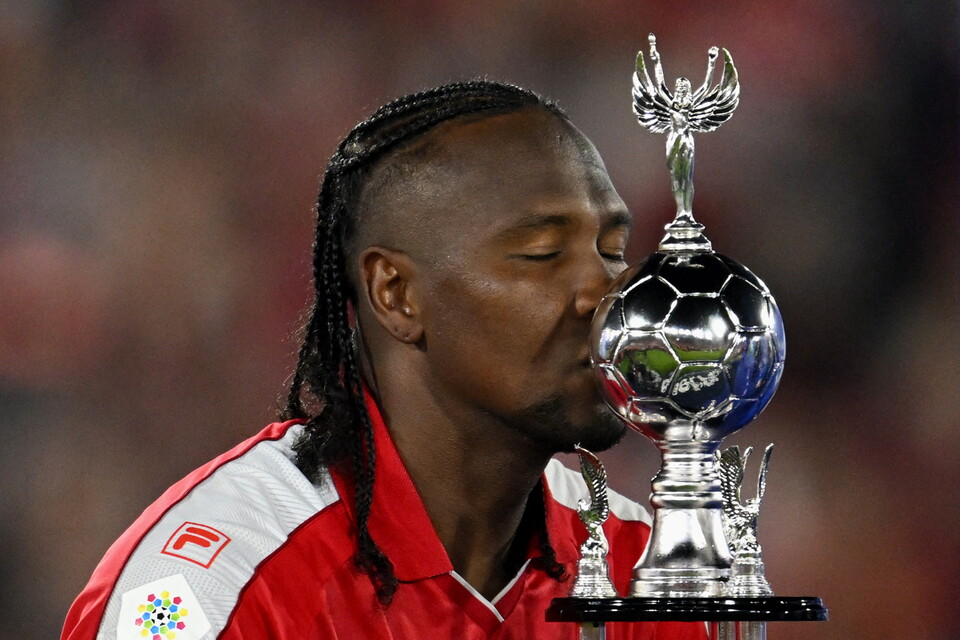
In June last year, his tears were seen around the world. The Colombian league Apertura final between Independiente Santa Fe and Independiente Medellín was a fiercely contested battle, with neither side giving an inch—on the pitch or on the scoreboard.
With 35 minutes gone in the second half, Hugo Rodallega, struggling with an adductor issue, looked toward the bench to request a substitution. But before coach Pablo Peirano could make the change, and as the captain covered his face with his shirt to hide his inconsolable tears, teammate Edwar López surged down the right flank and pulled the ball back—only for Rodallega to appear at the decisive moment and fire home with his right foot, sealing the club’s tenth title.
The tournament’s top scorer with 16 goals, Rodallega established himself as the team’s primary attacking reference and a modern-day idol following his return to Colombian football in 2023. Although he began his career with Deportes Quindío and Deportivo Cali, it was after his spell with Bahia in Brazil that he joined ‘Los Cardenales’, quickly becoming a fan favorite among the club’s supporters. Now 40, he renewed his contract in November with the ambition of replicating his heroics on the international stage.
Maximiliano Silvera
Peñarol’s run to the semi-finals in the 2024 edition was built in large part on the impact of Maximiliano Silvera. The striker scored six goals in 12 matches and contributed countless intangibles that often go unnoticed—embodying the classic profile of a Uruguayan forward. Silvera is intense, combative, and constantly alert inside the box.
Physically strong, he is capable of playing with his back to goal to pin defenders and create space, makes the most of direct play, and moves intelligently to exploit gaps in the opposition. Relentless in his pressing and fiercely competitive, he is a No. 9 who unsettles defenses and turns every loose ball into a scoring opportunity.
After winning five titles and maintaining his scoring output throughout 2025 with Peñarol, Silvera made a cross-town switch, with the striker unveiled as a new signing for Nacional.