- Estudiantes de La Plata will contest the CONMEBOL Libertadores semi-finals for the first time in 17 years, since their last great triumph in the continent's most prestigious club competition.
- Alexander Medina's side will face Flamengo, the reigning champions and the team that eliminated the 'Pincha' in the last edition.
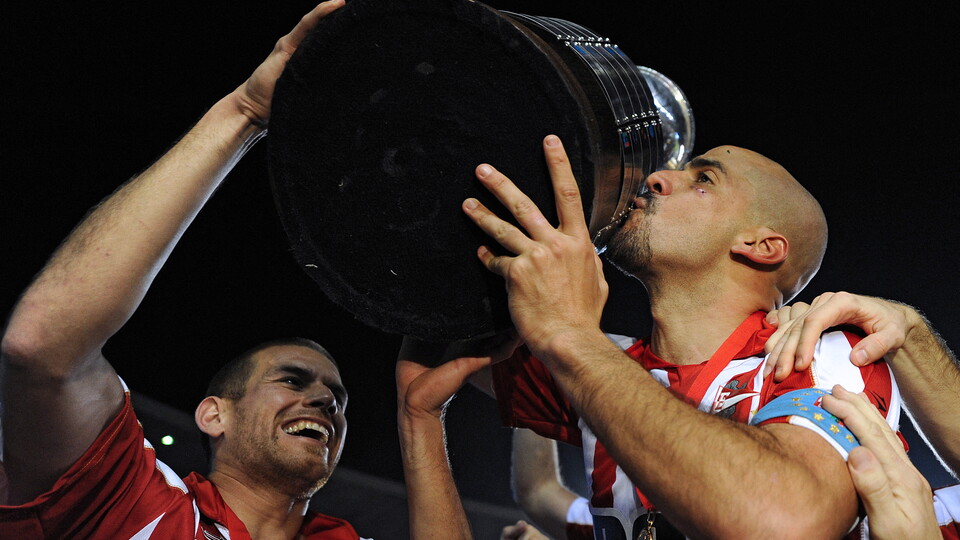
The Argentine side forged an identity of its own on the most demanding and competitive stage on the continent: Eternal Glory. Their three consecutive titles between 1968 and 1970, followed by their fourth triumph in 2009, established Estudiantes as one of the competition's great reference points on the international stage. That latest triumph — with Juan Sebastián Verón as its standard-bearer — remains fresh in the memory of 'León' supporters, who are dreaming of another campaign worthy of their history.
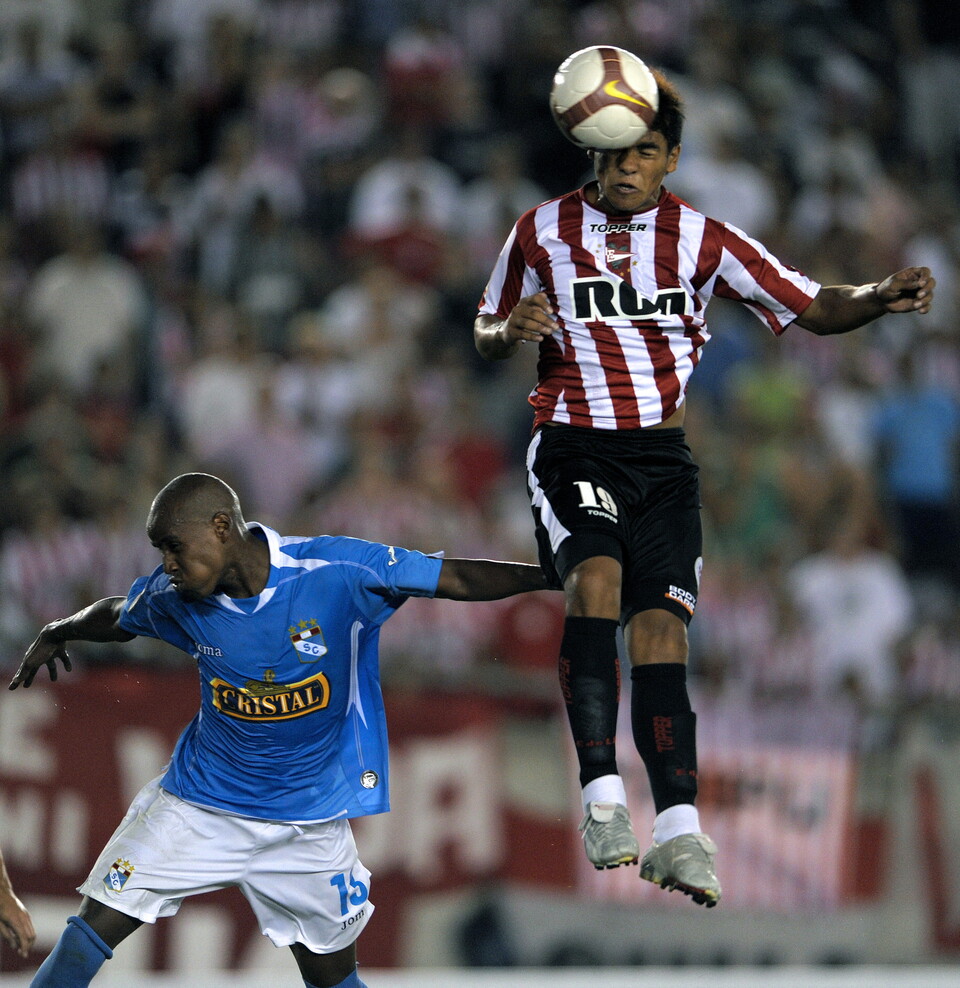
The context in which Estudiantes de La Plata began their 2009 CONMEBOL Libertadores campaign was far from encouraging. The 'Pincha' had to negotiate a turbulent first stage against Sporting Cristal: despite a goal from Enzo Pérez, they lost the first leg 2-1 at the San Martín de Porres Stadium; the second leg, played in an atmosphere of palpable tension, went the Argentine side's way 1-0 thanks to Ramón Lentini's goal. Estudiantes advanced to the next stage on the away-goals rule, which was used to settle the tie in the event of an equal aggregate score.
The Group Stage brought two contrasting realities: Estudiantes lost their first two away matches, against Cruzeiro and Deportivo Quito, and those results led to the departure of manager Leonardo Astrada. Alejandro Sabella then took the reins, a man of 'Pincha' pedigree who, as a player, had won the 1982 Torneo Metropolitano and 1983 Torneo Nacional.
It was a turning point, a breath of fresh air for a side that possessed a number of high-quality players but had been unable to translate their individual pedigree into results.
The picture changed dramatically. Two consecutive home routs — 4-0 wins over Deportivo Quito and Cruzeiro respectively — followed by a goalless draw against Universitario de Sucre in Bolivia, sent Estudiantes through to the Round of 16.
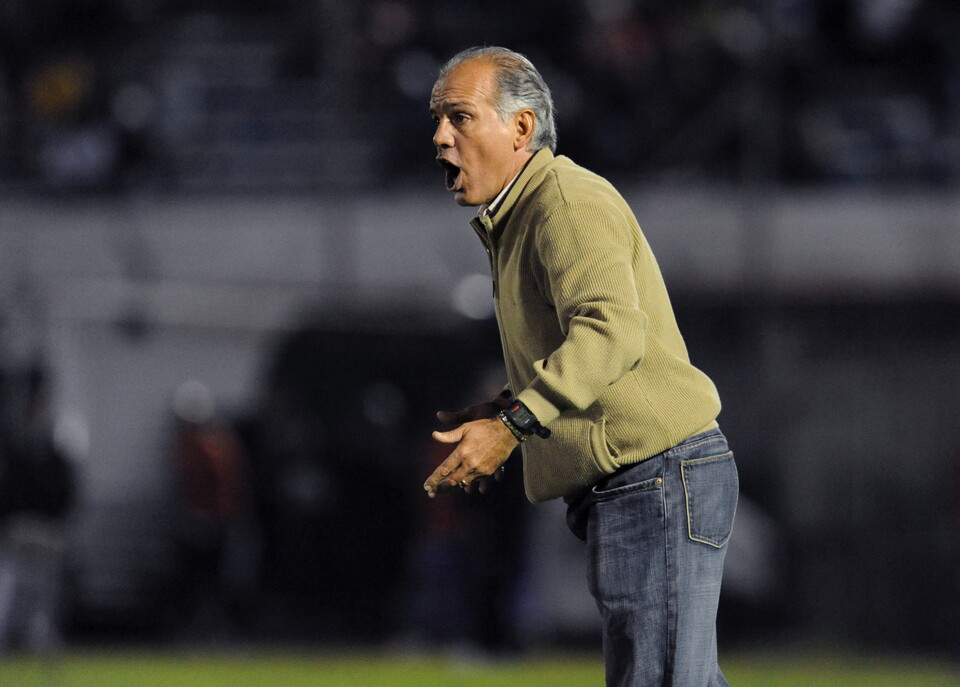
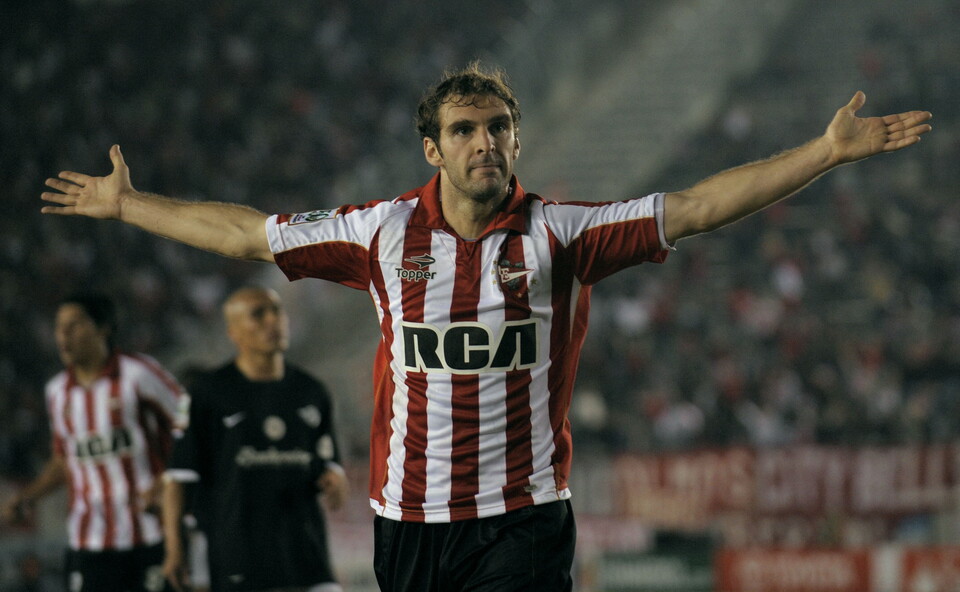
The foundations had been laid. Mariano Andújar's security in goal; the solidity of a defence led by experienced figures such as Leandro Desábato and Marcos Angeleri; a combative midfield, but one full of energy and quality, led by Juan Sebastián Verón, Enzo Pérez, Rodrigo Braña and Leandro Benítez; and the attacking threat of Mauro Boselli and Gastón Fernández gave Estudiantes enough reason to believe that the knockout phase represented a new opportunity to go toe-to-toe with any opponent. And that proved to be the case.
Two goals from Boselli and one from 'Gata' Fernández were enough to see Libertad, their first opponents in the Round of 16, beaten 3-0 on aggregate at the Ciudad de La Plata Stadium, now known as the Diego Armando Maradona Unique Stadium. Defensor Sporting could not overcome Sabella's side in the quarter-finals: Desábato scored the only goal in a 1-0 win in Montevideo, before Benítez settled the tie with the same scoreline in La Plata.
Alexander Medina, Estudiantes' current manager, was an opponent of the side he now leads in the 2009 semi-finals, when he was representing Uruguayan side Nacional. The La Plata team dictated the pace of the first leg and travelled to Montevideo with a lead: Diego Galván scored the only goal in a 1-0 victory. 'Cacique' Medina, then a forward and one of Nacional's key figures, scored in the second leg, but Sabella's side won 2-1 thanks to two goals from Boselli.
Fate had it that Estudiantes and Cruzeiro, Group Stage opponents, would meet again in the decisive stage of the competition.
The first leg in La Plata ended goalless. The second leg, at the Mineirão in front of almost 65,000 spectators, set the stage for a genuine Copa night. The Brazilian side took the lead through Henrique seven minutes into the second half.
Estudiantes levelled through a combination that had served them well throughout the competition: Verón finding gaps to thread precise passes through; Cellay surging forward down the right and supplying the forwards — Fernández on this occasion — to restore parity.
The winning goal came from the feet of Verón, the captain and emblem who had returned from European football to settle his continental debt with the club he loved. Boselli, who finished as the competition's top scorer, rose highest to head the 'Brujita's' cross past Fábio, sparking wild celebrations among the 'Pincha' supporters in Belo Horizonte.
“The mystique of this club has often been overlooked, and for a long time Estudiantes have competed on two fronts and always, but always, fought for something,” Sabella said amid the euphoria following the club's fourth CONMEBOL Libertadores triumph. He also highlighted Verón's role in the side, calling him “the most important player at Estudiantes de La Plata since the club was founded”.
The 'León' captain was named the competition's best player. “We knew what was at stake and we fought as we always do. We came to play at a very difficult ground and ended up as champions, something we deserve because Estudiantes fought from the beginning of the Copa,” Verón said.
He had put other interests aside and set his priorities in order to finally fulfil his greatest dream with the club and repeat the achievement of his own father, Juan Ramón, four decades earlier: reaching continental glory.