- The Buenos Aires club, founded in the Nueva Pompeya neighborhood, will play its first international competition in the CONMEBOL Sudamericana.
- Without relying on passing sequences or possession, it has risen through defensive sacrifice, extreme vertical attacking play, and set pieces.
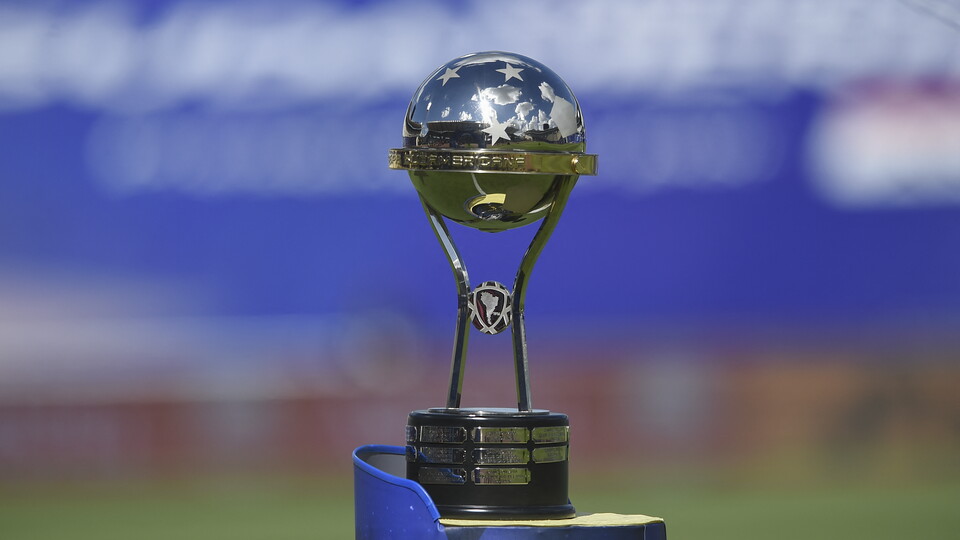
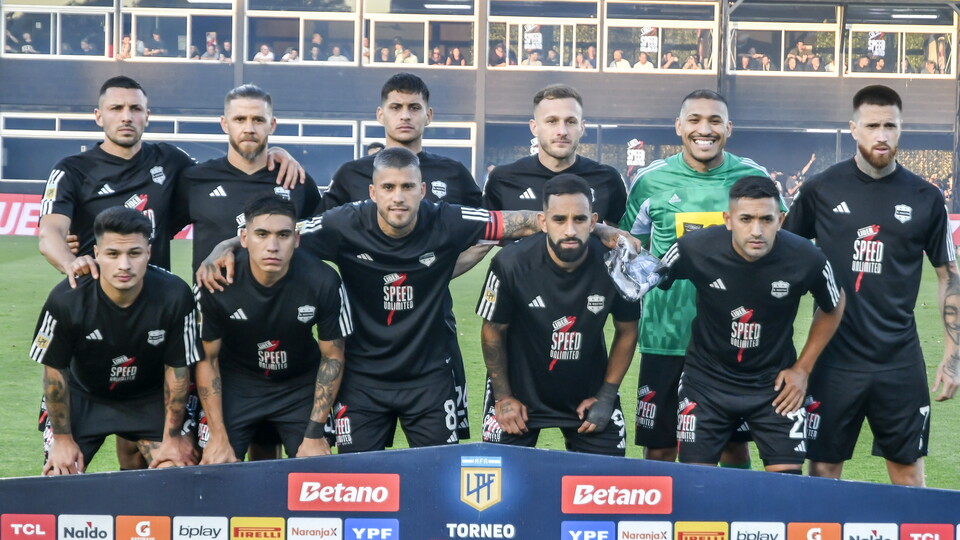
Deportivo Riestra Asociación de Fomento Barrio Colón—its full name—will play its first international competition in the 2026 CONMEBOL Sudamericana. Their qualification involves multiple factors, but on the pitch there is one constant that has remained unchanged for nearly 15 years, dating back to their time in Primera D, then the lowest tier of Argentine football: direct play. They dispense with passing sequences to reach goal and deliberately concede possession as part of their strategy.
According to a March 2026 report by the International Centre for Sports Studies (CIES) on attacking moves measured by meters gained per pass from the start to the end of possession, Deportivo Riestra has the most direct (“least elaborate”) playing style among the 42 top leagues in the world, averaging 13.49 meters per pass—effectively the longest passes in world football.
Tastes vary, and attacking without relying on passing combinations is Riestra’s preference. Regardless of the head coach, beyond minor nuances, defensive sacrifice and extreme verticality—almost without lateral play—remain constant. To their direct approach, they add set pieces and physical duels in contested balls (challenges and contact at the edge of the rules), which have made them the team with the most yellow cards (35) in the 2026 Apertura.
“Where there’s one of them, there must be two of us! We have to be like ants. We have to work!” urged coach Gustavo “Tata” Benítez before his players took the field at the Monumental to face River in the 2025 Clausura on September 28. And Riestra, in historic fashion, won 2–1. Promoted to the top flight of Argentine football for the first time in 2024, they had already defeated River (2–0) at home that same year at the Guillermo Laza Stadium in Villa Soldati.
“Tata” Benítez, a center-back for Riestra for nine years (2016–2025), defined the team’s identity as follows: “Not having the ball is something we’re used to—we’re a team of quick transitions and vertical attacking play. I always tell the players: ‘We can’t have much possession—we’re rock & roll, it’s about going forward, fast.’” Indeed, Riestra is a reactive side. Among the 30 clubs in Argentina’s top division, according to LPF Data, they have the lowest average possession in 2026 (38%) and the highest percentage of long passes (30%). In the first eight rounds of the 2026 Apertura, they completed a sequence of ten or more consecutive passes without opposition intervention on just four occasions (at the opposite end are River with 97, Racing with 74, and Rosario Central with 66). Riestra, quite literally, barely keeps the ball to play.
In a squad largely made up of players who came through Argentina’s lower divisions, a few standouts emerge. Ignacio “Nacho” Arce, a goalkeeper who dictates the tempo of build-up and keeps the team afloat with his saves when they sit in a mid-to-low defensive block. And up front, Jonathan “El Sultán” Herrera, the club’s all-time top scorer, who has found the net in every tier of Argentine football (D, C, B Metro, Nacional, and Primera) wearing the shirt of the club founded in 1931 in the Nueva Pompeya neighborhood of Buenos Aires.
At their training ground, La Candela, Riestra rehearses throw-ins as crossing situations: the structure, each player’s positioning, which spaces the opponent leaves open, the designated takers, the player responsible for signaling the play inside the box, and the timing between the ball going out and the restart—because that is when the team takes the most risk and can be most exposed.
“Set-piece goals and direct play are closely linked: since we have so little time on the ball, we have to maximize our scoring opportunities and be as efficient as possible. Corners, any set piece, throw-ins, long deliveries, direct play, a restart followed by a quick combination to deliver a cross. We give the same importance to set pieces and direct play, both in analysis and on the pitch. It’s no coincidence. Ninety percent of the training session on the day before a match is focused on direct build-up and set pieces. And during the week, we dedicate 15 minutes within tactical work to set pieces. It’s a virtuous cycle. We train it, it works; it works, we train it. Riestra’s style is unconventional: counterattacks and set pieces. Considering our resources and modern football, it’s effective,” Santiago Basile, Riestra’s video analyst and a member of Benítez’s coaching staff, told CONMEBOL Sudamericana.
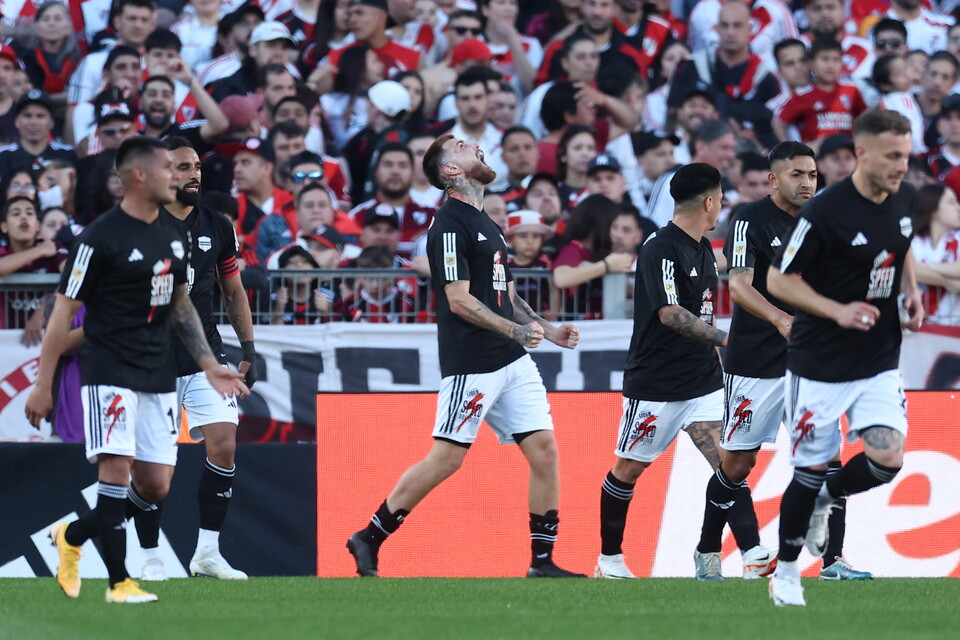
With its own playing formula—aimed at exploiting the spaces left by opponents through counterattacks with minimal passing—Riestra has climbed to the top tier of Argentine football. Aware of its strengths, limitations, and the contexts it faces, Deportivo Riestra will now test that approach on the grand stage of South America.