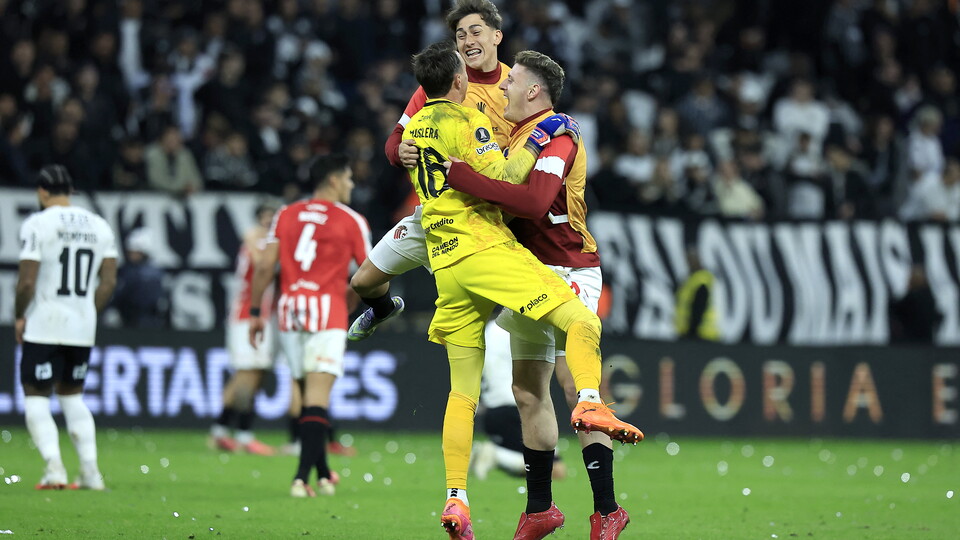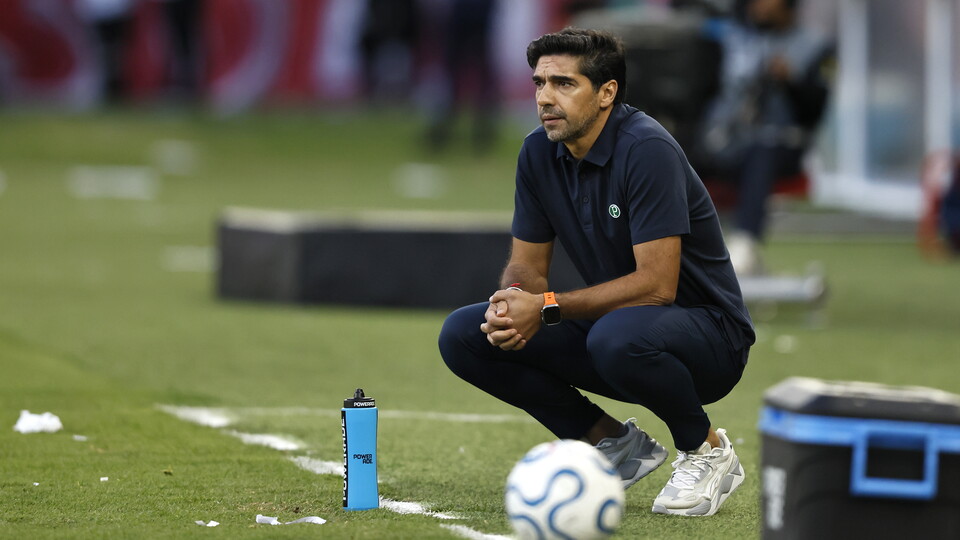
- Only two teams in history have managed to lift the continent’s most prestigious trophy after coming through the preliminary rounds.
- After advancing past Phase 3, four clubs will attempt to replicate that feat in the 2026 edition.
Among the 32 teams that will learn their fate in the draw on March 19, four have already begun their journey in this edition of the CONMEBOL Libertadores: Barcelona Sporting Club, Independiente Medellín, Deportes Tolima, and Sporting Cristal all started their campaigns in the preliminary rounds. The quartet will aim to achieve a rare feat in the competition—lifting the trophy after coming through the early stages.
All four sides entered in Phase 2. Independiente Medellín strung together victories against Uruguay’s Liverpool and Juventud; Deportes Tolima eliminated Venezuela’s Deportivo Táchira and Chile’s O’Higgins; Sporting Cristal first knocked out 2 de Mayo and then Carabobo in Phase 3; and Barcelona secured its place in the Group Stage with away wins over Argentinos Juniors in La Paternal and Botafogo in Rio de Janeiro.
Having already proven their footballing quality and mental strength to overcome high-pressure scenarios, they will discover their next opponents on March 19. There will be no restrictions for them—they may be drawn against teams from their own country in the Group Stage. In their pursuit of continental glory, these sides will look to emulate the only two champions to complete the entire journey from the preliminary rounds: Estudiantes de La Plata in 2009 and Botafogo in 2024.
Estudiantes - 2009
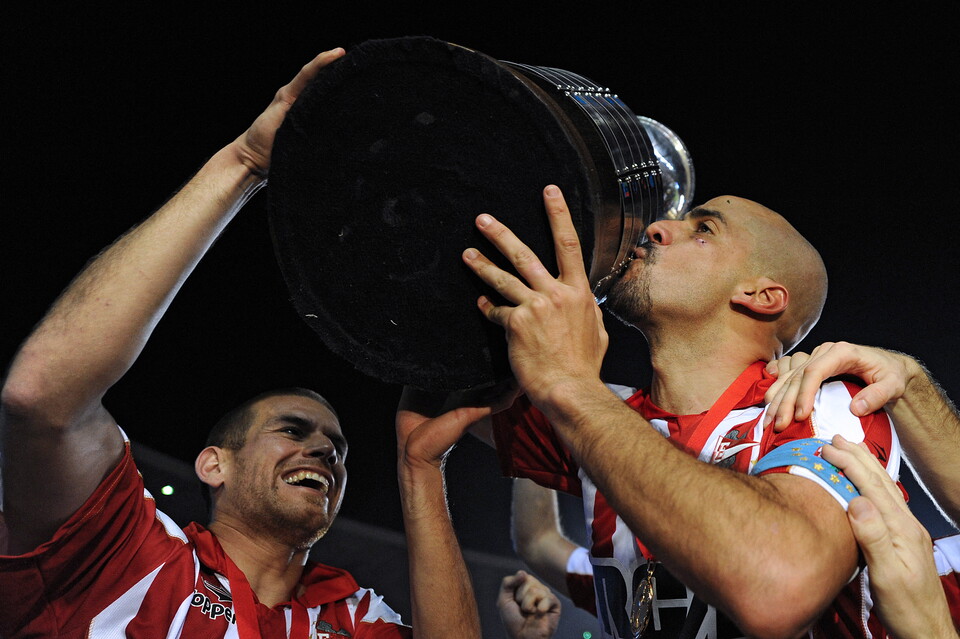
Estudiantes de La Plata, one of the historic clubs of the CONMEBOL Libertadores, was the first team to be crowned champion after starting its campaign in the tournament’s preliminary rounds. The side from La Plata had to play sixteen matches to secure its fourth continental title. Juan Sebastián Verón had returned to the club after his European journey as a transformative force, sparking a revival that began with the unforgettable 2006 Apertura triumph over Boca Juniors and would reach its peak on the continental stage three years later.
With other high-profile names such as Mariano Andújar, Enzo Pérez, Mauro Boselli, and Gastón Fernández, Estudiantes began its Libertadores journey in Phase 1 against Sporting Cristal. That team was initially managed by Leonardo Astrada: under his leadership, they lost 2–1 in the first leg but overturned the tie at the Estadio Ciudad de La Plata with a late goal from Ramón Lentini. Despite that early success, poor results in the domestic Clausura and defeats against Cruzeiro and Deportivo Quito in the first three group-stage matches led to Astrada’s resignation.
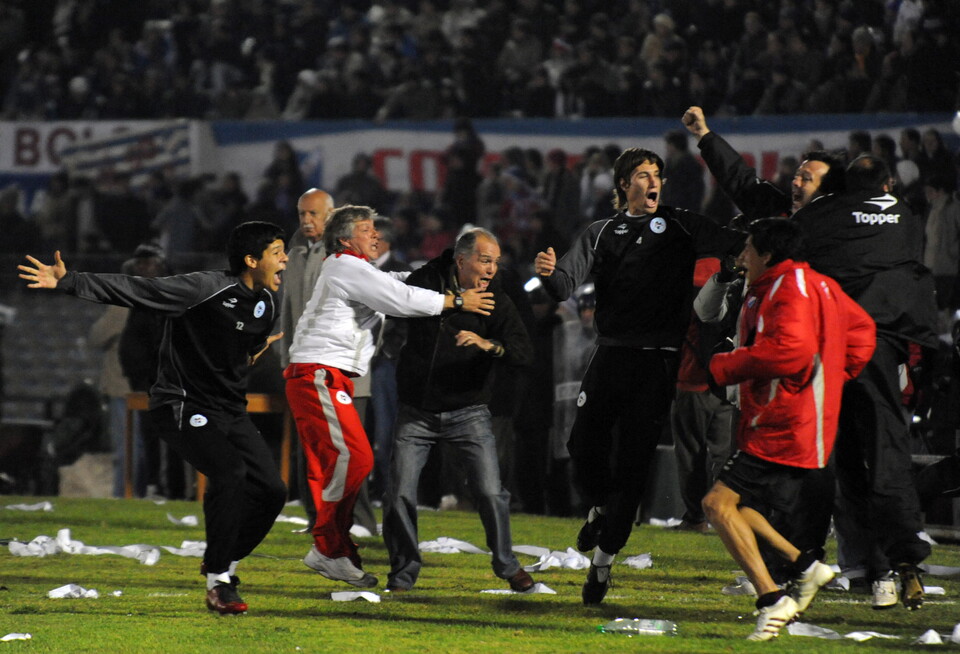
Alejandro Sabella soon emerged as the key figure on the horizon—former assistant to Daniel Passarella and a two-time Argentine champion as a player with Estudiantes—to steer the team away from a looming collapse. With a squad full of talent at his disposal, Sabella quickly turned things around: Estudiantes delivered commanding home victories over Deportivo Quito and Cruzeiro before sealing qualification with a draw against Universitario de Sucre in Bolivia.
Once in the knockout stage, Estudiantes eliminated Libertad of Paraguay in the Round of 16, overcame Defensor Sporting in the quarterfinals with wins both home and away, and repeated the script against Nacional of Uruguay in the semifinals.
The final against Cruzeiro, coached by Adilson Batista, began as a tactical battle, with neither side gaining an advantage in the first leg at the Estadio Único de La Plata. In the return leg, Henrique struck early in the second half with a powerful long-range effort that sent the Mineirão into celebration and seemed to tilt the tie in Cruzeiro’s favor. But Estudiantes, driven by its Pincha spirit and relentless determination, responded just five minutes later through Gastón Fernández. Mauro Boselli then sealed the 2–1 victory—and the title—with a decisive header from a perfect cross by captain Juan Sebastián Verón, capping a remarkable comeback.
Botafogo - 2024
The second—and most recent—team to win the title after coming through the preliminary rounds was Fogão. In the 2026 edition, Botafogo fell in Phase 3 against Barcelona with a painful home defeat. But two years earlier, still without a CONMEBOL Libertadores trophy in its cabinet, the Brazilian side began its journey in Phase 2 with a ruthless thrashing of Bolivia’s Aurora. In Phase 3, they came through a thrilling all-Brazilian clash against Bragantino, with Júnior Santos scoring all three goals to secure a place in the Group Stage.
Like Estudiantes in 2009, Botafogo also changed managers during the tournament. Portuguese coach Artur Jorge, who left Braga to take on the South American challenge, replaced interim manager Fábio Matías after an unexpected defeat to Junior in the opening match. Following another loss to Liga de Quito in the second round, Botafogo bounced back with two home victories, won away at Universitario in Lima, and earned a valuable point in Barranquilla to advance to the knockout stage as runners-up.
In the Round of 16, they faced Palmeiras, a perennial continental powerhouse and a true test of their ambitions. The tie delivered high drama: Botafogo won the first leg at the Nilton Santos and seemed to have sealed qualification after second-half goals from Igor Jesus and Jefferson Savarino. However, Abel Ferreira’s Palmeiras is never easily beaten—two late goals in the 86th and 90th minutes leveled the match and nearly sparked an epic comeback. In the end, time ran out, and Botafogo held on to secure progression, keeping its dream of continental glory alive.
In the quarterfinals, Botafogo once again had to endure a tough battle against a compatriot with a rich continental pedigree. São Paulo opened the tie with a goalless draw away from home, and when the return leg seemed to be slipping away—despite Botafogo taking an early lead through Thiago Almada—Jonathan Calleri struck in the 87th minute to force a penalty shootout. In the end, missed spot-kicks from Calleri and Rodrigo Nestor allowed Botafogo to celebrate qualification at the Morumbi.
In the semifinals, they faced Peñarol, another South American giant. Although the 5–0 first-leg victory appeared decisive, the Manya showed its fighting spirit in the return match, winning 3–1, though it wasn’t enough to overturn the aggregate score.
Botafogo then traveled to Buenos Aires’ Monumental Stadium for a final painted in Verdeamarelo. The match could hardly have started worse: midfield anchor Gregore was sent off just two minutes into the game. Yet, as throughout the tournament, Artur Jorge’s side rose to the occasion. Luiz Henrique opened the scoring in the 35th minute, Alex Telles doubled the lead just before halftime, and Júnior Santos—top scorer of the tournament with 10 goals in 11 matches—put the finishing touch on their historic first continental triumph with the final play of the game.
With Luiz Henrique named the standout player of the CONMEBOL Libertadores and Igor Jesus emerging as one of its key figures, Fogão completed a campaign defined by resilience, character, and a touch of epic glory.