- The morning after Estudiantes knocked out Corinthians, Rojo’s friends in La Plata flooded his phone with messages urging him to return to the club where he started playing at the age of ten.
- A CONMEBOL Libertadores winner with Estudiantes in 2009, the defender is preparing to face Palmeiras on 28 November at the Estadio Centenario in Montevideo.
Marcos Rojo watched Estudiantes knock Corinthians out and went to bed with his mind at ease. The next morning, he woke up to a string of messages, all with the same plea. “You have to come back, you have to come back,” his friends in La Plata wrote. Only then did he learn that suspensions had left El Pincha in need of a centre-back. He had long wanted to return to City Bell, but until that morning he thought his chance had passed. His friends’ messages gave him fresh hope. A few days later, the call he had been waiting for came.
Rojo is now preparing for a CONMEBOL Libertadores final at the same training ground in City Bell he first set foot in at the age of ten. In 2009, as a member of the squad that won the CONMEBOL Libertadores, he would watch Alejandro Sabella and Juan Sebastián Verón in training. What struck him was how intensely they lived every day leading up to the final. Seventeen years on, as Estudiantes prepare to face Palmeiras, Rojo has a better sense of what was at stake for them. In an interview with CONMEBOL, the defender looked back on those days, recalled the time he spent living with Verón, known as La Brujita, and spoke about how he became one of the players the club’s youngsters now watch and learn from.
CONMEBOL: What’s the story behind this photo?
Rojo: It’s quite moving to see it. I spent so much time at this club. That’s a close friend of mine in the photo with me. He never made it to the first team, but we’re still great friends. In fact, we live very close to each other, in the same neighbourhood. Whenever we get together, those memories come back and we look back on the time we spent here at the club. Like I said, those moments will stay with us forever.
CONMEBOL: Are you still in touch with him?
Rojo: Yes, he’s a friend for life. Our paths crossed and we ended up becoming neighbours. We met here at the Country, the club’s training ground, when we were ten. Just imagine how long we’ve been friends!
CONMEBOL: And what’s he been saying to you in the build-up to the final?
Rojo: He’s over the moon. He’s so happy I’m back here, training again and spending time with everyone at the Country every day. I try to enjoy as much of this as I can with my friends. They might never have had the chance to play first-team football, but through me they get a little taste of what this feels like.
CONMEBOL: Here you are, about to play in a final, looking at a photo of yourself as a little boy. What would you say to him?
Rojo: I’d tell him to never stop dreaming and never stop fighting. Anything is possible in life. Anything. And to be able to enjoy all this today… When I was a kid here, I couldn’t have imagined, even in my wildest dreams, that I’d have the career I’ve had. These days I try to enjoy the opportunities football and life give me, one day at a time.
CONMEBOL: Marcos, looking back at 2009, what do you remember?
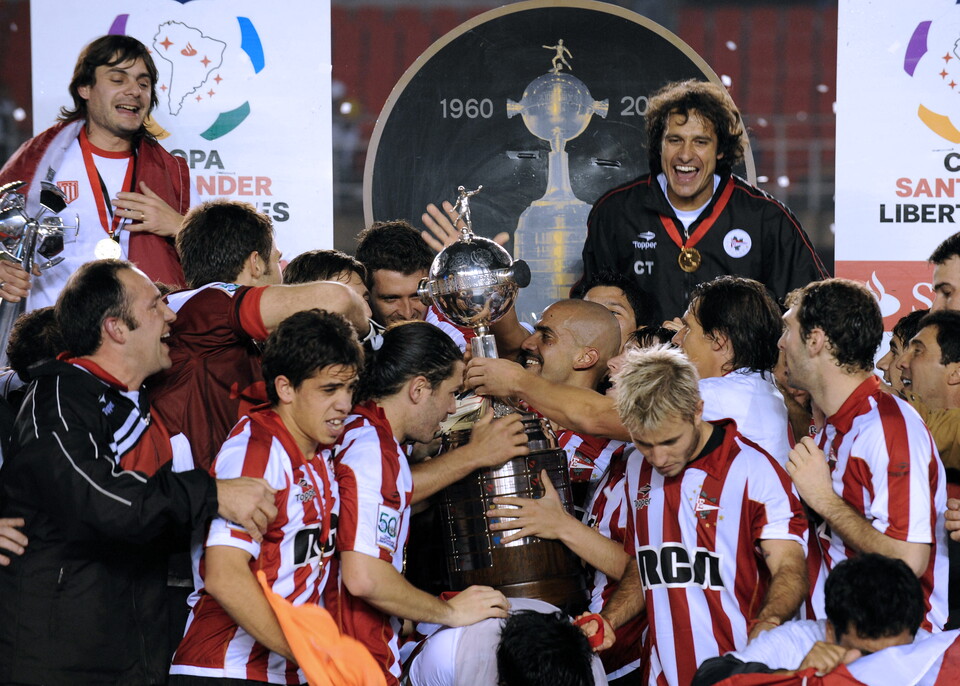
Rojo: Well, for a start, I was a lot younger! I have such fond memories. I experienced that whole campaign from the inside, as part of the squad that won the CONMEBOL Libertadores. Whenever it comes up in conversation, I think of Alejandro (Sabella) and Sebastián (Verón). Even more so now that I’m back here playing in this wonderful competition that means so much to the club. I was just a kid, listening to them and watching them. I remember how they approached each game, what they were like during the week, in the days before a match and in the lead-up to the final. Those are lovely memories to have.
CONMEBOL: And how did they approach those days?
Rojo: They took it all so seriously. There was a real intensity about them. In those days, it was life or death. I could see it, but, like I said, I was a lot younger. There are things you don’t really pick up on as a kid. Now that I’m older, I see it differently. I understand why they were the way they were in the week leading up to a game. I saw how intense they were in training and how much attention they paid to every little detail. At the time, I probably didn’t realise just how much those finals meant to them.
CONMEBOL: Is it true that Verón took you in at one point?
Rojo: Yes, he did. I had a few problems when I was younger. And, like I said, Sebastián, Chavo (Desábato) and Chapu (Braña) always kept an eye on everything. They picked up on the little things off the pitch as well as on it. Sebastián took me home with him and I stayed at his place for a few days.
CONMEBOL: What were those days like?
Rojo: They were great. It was fun seeing that side of him, because until then I’d only known him from training every day. Then we’d leave the club and I’d get to spend time with him at home. I remember going out with him. Wherever he went, I’d go along. He treated me like another son. I really enjoyed it.
CONMEBOL: And did you ever do the same for other players? Did you take some of them on holiday with you?
Rojo: Well, when I was playing for Sporting in Lisbon, Jony Silva joined us. He’d come through the ranks here too. We’d never played together at Estudiantes, but I knew he’d come from here. It’s a bit tough when you first arrive in Portugal. I’d already been there for two years, so I had him stay with me until he could get a place and a car of his own. We spent all our time together. We’d go to training, come home and have some mate. Those things stay with you. At the time, I probably just thought Sebastián was looking out for me. But you learn from that. Even without saying a word, he taught me things that have stayed with me. I learnt a lot from him on the pitch too. That was one of those lessons.
CONMEBOL: People here talk a lot about the Pincha DNA, about the club being a family. Is that one of the things you learn here too?
Rojo: Yes, I think that’s where it comes from. You learn those things by example. People here show you how it’s done. These days there’s José (Sosa) and me. We both came through the ranks here and we’re a fair bit older now. It’s our turn to set that example every day, in how we train, how we work, how we recover and how we look after ourselves. You have to do those things. When you’re young, you don’t really see it. You think things will just carry on the way they are. But you have to understand that there’s a lot more to football than you think.
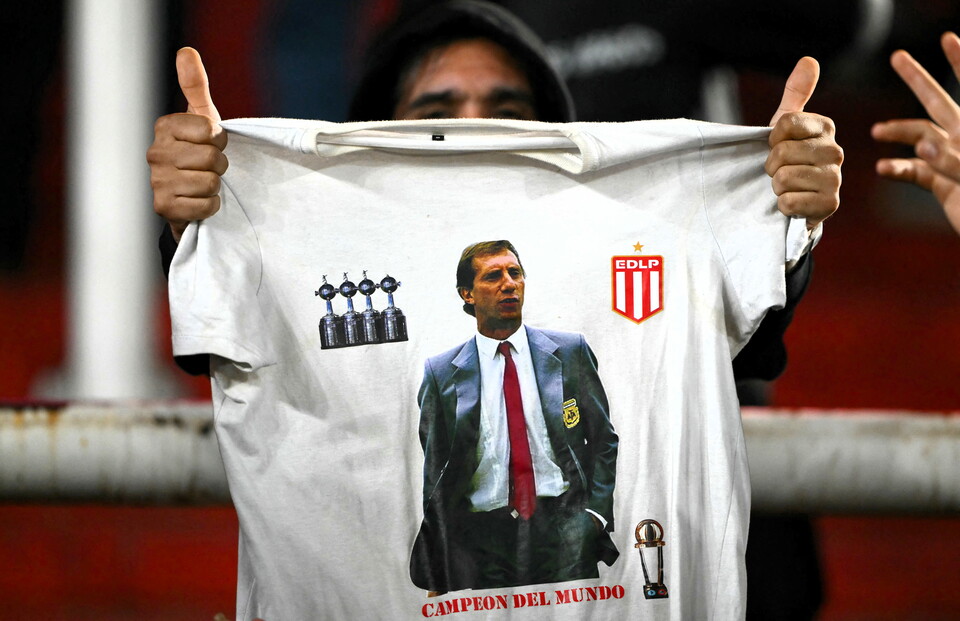
CONMEBOL: How would you describe the Pincha DNA? I think people in Argentina know Estudiantes pretty well, but elsewhere on the continent there’s sometimes a bit of surprise when the club get this far.
Rojo: I think that’s what the DNA is. First and foremost, it’s feeling part of a huge family. You feel it from the moment you walk into the club, from the people who work here. I came back after all that time and the same people were still here. Those things don’t change. That’s our DNA. Hard work, sacrifice, effort. Those things are non-negotiable at this club. You know you have to keep fighting right to the end, because things can happen and we’re ready for them. They teach you that here from the time you’re a kid. I think that’s why this club have made so much history on the continent and why they’re still making it. We keep competing at the highest level, we keep fighting. There’s a reason we’re in the Libertadores final.
CONMEBOL: You pushed hard to come back here.
Rojo: I did, yes. Quite a bit of time had passed and I was starting to think I’d never get to come back. That hurt a little because, like I said, I grew up at this club. I’ve been coming to the Country since I was ten, and it meant a lot to me to be able to come full circle here. But I never imagined it would happen like this, that I’d come back and play in a CONMEBOL Libertadores final. So when the chance came up, when I started hearing after the Corinthians game that a return might be possible, I did everything I could to be here today.
CONMEBOL: You said you “started hearing” about it. Where did you hear it?
Rojo: Well, I was watching the game that night. It finished, Estudiantes went through and I went to bed with my mind at ease. The next morning I woke up to a phone full of messages. “You have to come back, you have to come back.” Watching the game, I hadn’t picked up on the fact that the lads had been suspended and the team were short of a centre-back. Maybe they didn’t mention it on the broadcast. That was what opened the door for me to come back.
All my friends here in La Plata, all Estudiantes fans, were telling me this was it, this was the moment, I had to come back, I had to come back. At first I didn’t really believe it. I thought it was a long shot. But a few days went by. When the club called, I saw there was a chance to come back and I jumped at it.
CONMEBOL: So at first it was all unofficial…
Rojo: Yes, it was just friends and family. Then the club called, and once I knew for sure they wanted me back, I jumped at it.
CONMEBOL: So it already felt different waking up that morning.
Rojo: Yes, absolutely. I was already happy that morning when all those messages started coming in. And when the club called, that’s when I was over the moon.
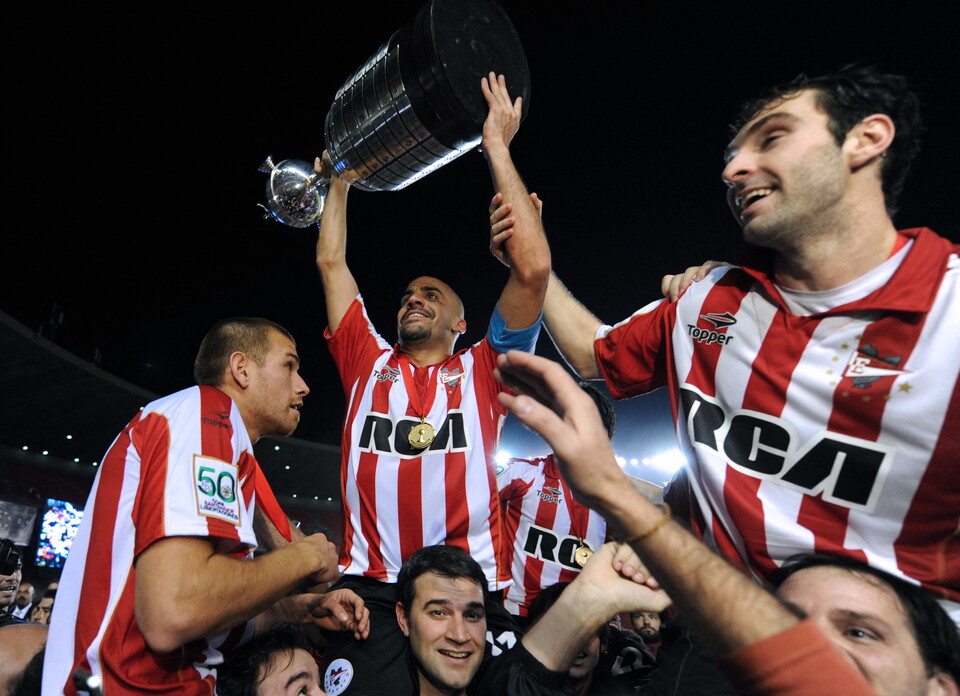
CONMEBOL: It’s a bit like what happened with Schiavi in 2009, isn’t it?
Rojo: Exactly the same. I remember one or two of the lads had picked up injuries, so El Flaco came in. He turned up, trained for two days and went straight into the game. What a beast.
CONMEBOL: Marcos, in 2023 you got out of most of these media duties, interviews like this one, for instance, because you were suspended. In a way, this final gives you a second chance too, doesn’t it?
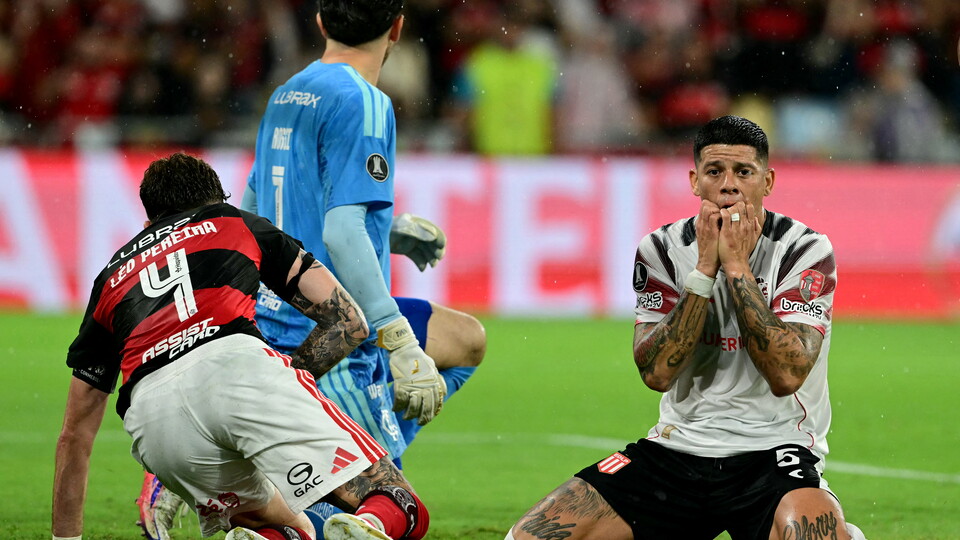
Rojo: Yes, it does. We reached the final with Boca, but I’d been sent off in the semi-final against Palmeiras, so I missed the final. It was a massive game.
CONMEBOL: I don’t want to ask you about that.
Rojo: Sure.
CONMEBOL: What I do want to ask you about is the game at the Maracanã. Did any of that play on your mind? Were you thinking about what happened in 2023 while you were playing, or…?
Rojo: No, no, no. I’ve always had a battle on my hands at that ground, but this time I came out on top. I went through and made it to the final. But did I think about any of that? Not at all. The final never crossed my mind, and neither did what had happened there before with Boca and Argentina. I tried to focus on the game because it was such a tough one. I tried to stay focused and believe that this time it was going to go my way.
CONMEBOL: Yes, because if you go into a game thinking about all that…
Rojo: Exactly. If you start dwelling on what happened, on things you can’t change, it works against you. It gets in the way of what you have to do next.
CONMEBOL: I spoke to someone who knows you, someone who’s coached you. He said you’re a player with bags of talent and that side of your game doesn’t always get the credit it deserves. He talked about how beautifully you strike the ball and how strong you are in defence. Do you think you were born with that gift, or have you worked on it since day one?
Rojo: I think it was hard work. It really was. Grit and a willingness to make sacrifices have always been what I’m known for. And over the years you learn by playing alongside great players at great clubs. I had the chance to play for Argentina. You learn so much. You watch your team-mates and talk to players who are on a whole different level. I was lucky enough to play with Leo (Messi), with Masche (Javier Mascherano) and with some terrific players in England. I think over time I learnt from them and improved in a lot of areas of my game.
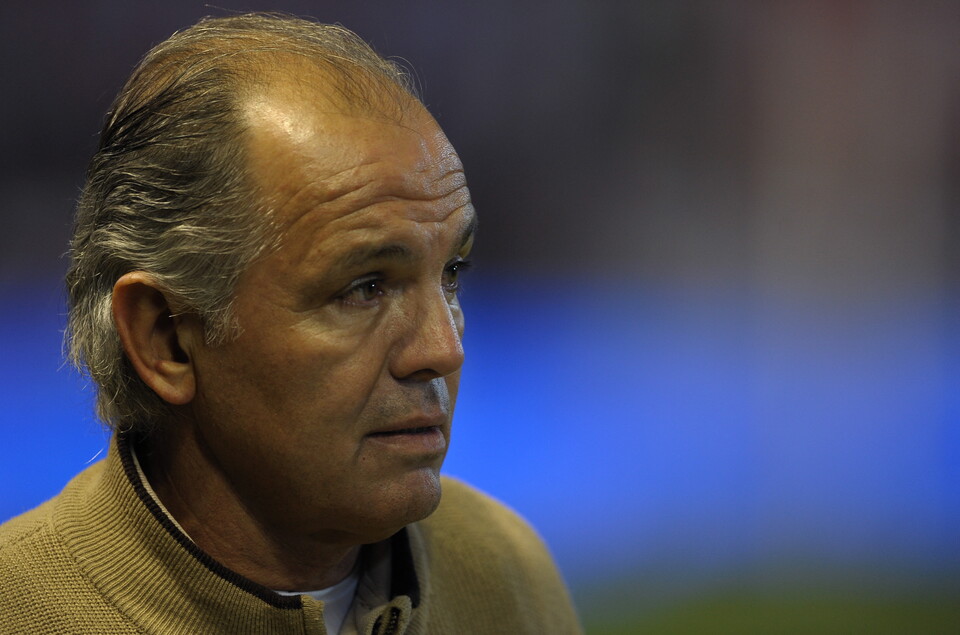
CONMEBOL: Now that you’ve mentioned Leo, there’s one question I forgot to ask. Barcelona won the 2009 Club World Cup with a goal from Messi. Did you ever talk to him about that final?
Rojo: No, never. I spoke to Zlatan about it, though. We played together at Manchester United, and one day I told him, “I played in that final.” Sabella sent me on for the last two minutes. I remember I was about to come on when they told me to mark Ibrahimović at set pieces. I was really fired up. Then Barcelona got their first corner and over came Zlatan. He looked about two metres taller than me. I’ve filled out a bit since then, but I was 19 at the time. I was so skinny. He stood in front of me, and when I looked up at him, I wanted to die. “How on earth am I going to mark this guy?” I remember trying to wrap my arms around him, and he put me on the floor with one hand.
Later, when we were team-mates, I said to him, “I marked you in that game.” He didn’t even remember the match. Unbelievable. When he said, “No, I don’t remember,” I was speechless. You can imagine what it meant to us. We’d nearly won it, and then there was the welcome we got from our fans when we came home. It was the game of our lives. And here he was telling me he didn’t even remember it. All I could do was laugh. “I don’t believe this guy!” I was playing as if my life depended on it, and he doesn’t even remember the game.
CONMEBOL: Before we wrap up, what do you think the atmosphere at the Centenario will be like on the 28th?
Rojo: From everything I’ve been hearing and seeing, and how excited the fans are about this final, it’s going to be incredible. I think it’ll be beautiful. It’s an afternoon game, too, so you’ll have the sunshine and all that colour in the stands. I think it’ll be quite a spectacle, and our fans will be there with us. They’re so caught up in it all, so excited. It gives us a huge lift to know they’ll be there to pack out the Centenario.
CONMEBOL: And how do you picture the evening of the 28th?
Rojo: God willing, we’ll have the trophy in our hands.