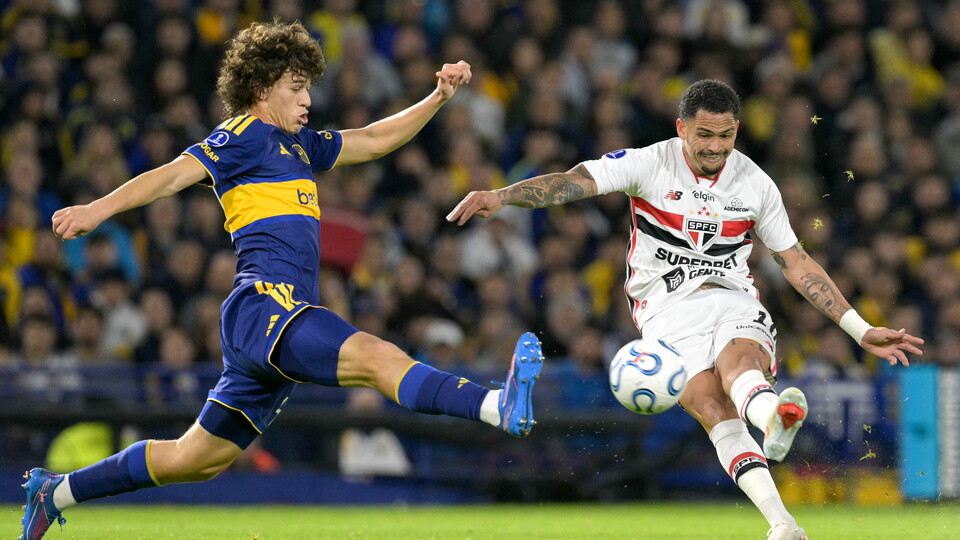
- Five participating teams have already experienced glory in the competition.
- On March 19, they will discover their fate in the Group Stage draw.
The CONMEBOL Sudamericana will feature a strong presence of former champions looking to add another continental title to their legacy. In a tournament that promises to be as competitive, demanding, and exciting as the last edition, the experience of having already lifted the trophy can become a decisive advantage both in the group stage and in the knockout rounds.
San Lorenzo, Cienciano, São Paulo, River Plate, and Racing Club make up this select group of teams that have previously conquered the competition and now return with the challenge of doing it again. The draw on March 19 will mark the beginning of a new journey—except for Cienciano, who already secured their place by defeating compatriots Melgar on penalties in the preliminary round.
With memories of their triumphs still fresh among their supporters, the five teams are preparing to write a new chapter. Ahead of discovering their upcoming opponents, we take a look back at the campaigns that led them to glory, in anticipation of their group stage debut.
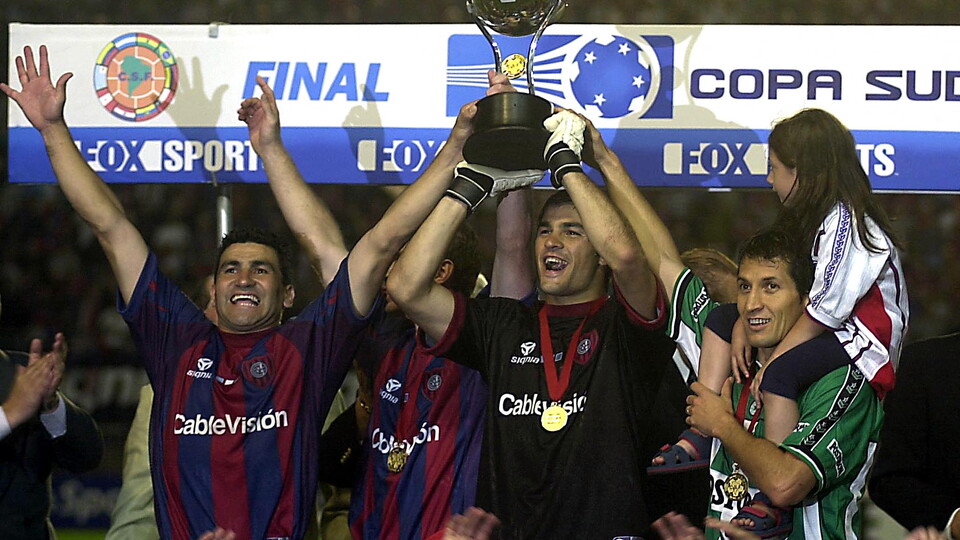
San Lorenzo - 2002
The feat achieved by El Ciclón will remain unmatched: they were the champions of the inaugural edition. That team, led by Rubén Darío Insúa, secured their second international title after the Boedo side had begun its continental journey by winning the 2001 Mercosur Cup under Manuel Pellegrini. Despite the change in leadership and several departures from the squad, San Lorenzo managed to reaffirm its status as a protagonist in the CONMEBOL Sudamericana.
With Leandro Romagnoli as the team’s creative hub wearing the number 10 shirt, and a formidable attacking duo formed by Rodrigo Astudillo—the tournament’s top scorer—and Alberto Acosta, San Lorenzo cruised past Venezuela’s Monagas in the round of 16 with a commanding win, overcame Racing Club in an all-Argentine quarter-final clash, staged a comeback at the Nuevo Gasómetro in the semi-finals after losing the first leg to Bolívar in La Paz, and set up their triumph with an unforgettable 4–0 victory over Atlético Nacional at the Atanasio Girardot Stadium. A 0–0 draw in the second leg was enough to secure the trophy—one that would later be complemented in 2014 with their first CONMEBOL Libertadores title.
Cienciano - 2003
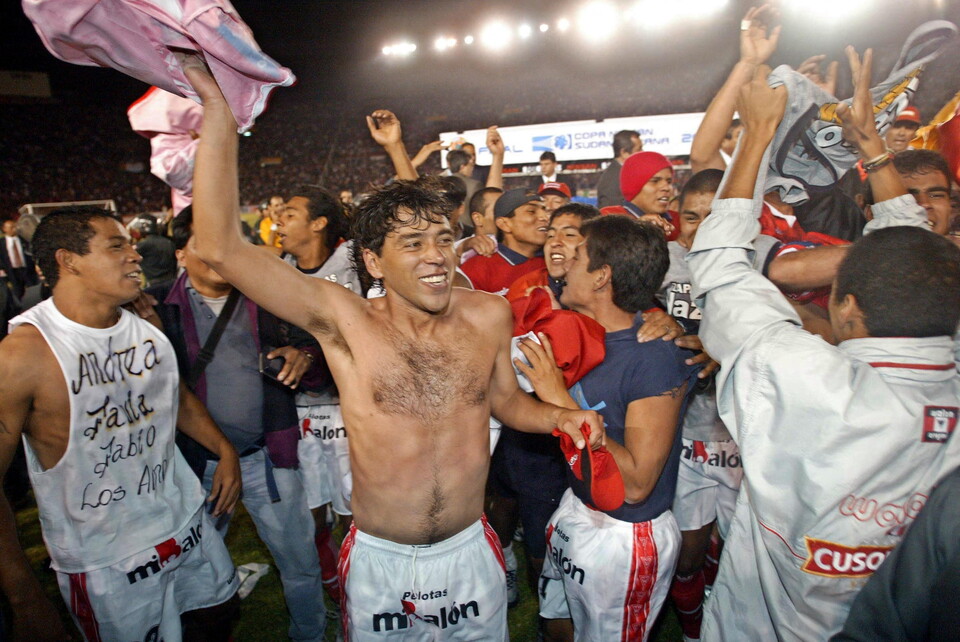
The Cusco-based side wrote one of the greatest feats in the history of Peruvian football by becoming the only club from the country to win an international title. Cienciano built a memorable campaign, defying expectations and overcoming heavyweight opponents to reach the final. With a combative, well-organized style and the strength of their home ground as a key ally, the Peruvian side grew match by match, nurturing a dream that ultimately became pure history.
The goals of Germán Carty led an unforgettable team that made its first statement of intent by eliminating historic rivals Alianza Lima in the opening round. In the round of 16, they played out a dramatic series against Universidad Católica of Chile, defeated the always formidable Santos in the quarter-finals, secured a memorable away victory over Atlético Nacional in the semi-finals, and achieved a historic triumph over River in the final.
The first leg at the Monumental, in front of 65,000 fans, became another epic chapter of their journey: they earned a 3–3 draw thanks to a brace from Giuliano Portilla and a goal from Germán Carty against a River side featuring Eduardo Coudet—now their current coach—along with Luis González, Marcelo Gallardo, Javier Mascherano, Daniel Montenegro, Maximiliano López, and Marcelo Salas. In Arequipa, in a tense and hard-fought match, defender Carlos Lugo scored in the 78th minute to seal their legendary triumph.
São Paulo - 2012
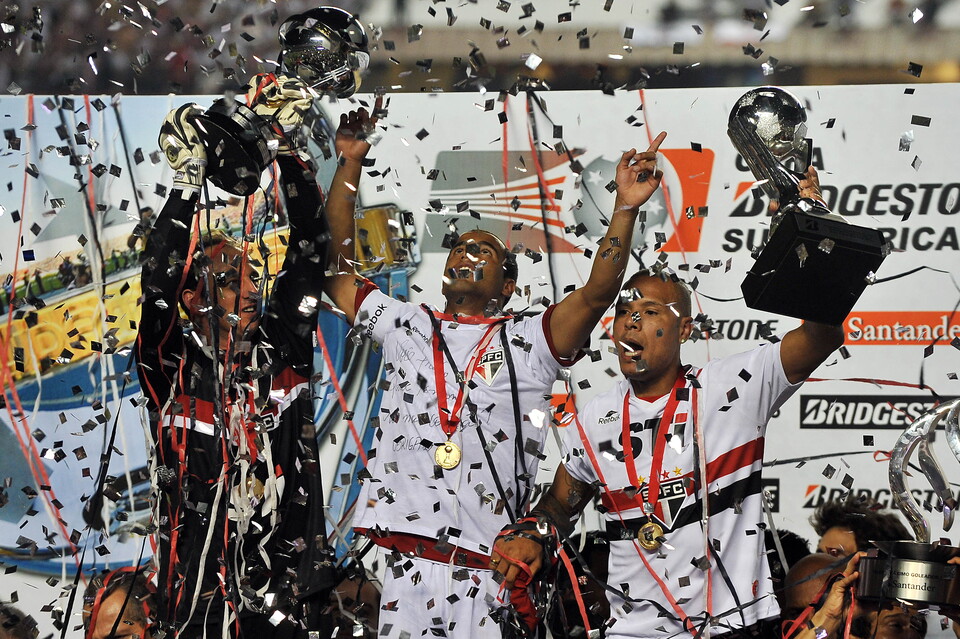
It was a relentless campaign from Tricolor: they remained unbeaten and conceded just two goals in ten matches. With captain Rogério Ceni guarding the goal, a solid defensive structure led by Rafael Tolói, the individual brilliance of a young Lucas Moura, and the attacking firepower of Luis Fabiano, São Paulo began their run with a commanding victory over Bahia in the second round.
In the round of 16, they secured a draw in Ecuador against Liga de Loja to advance to the quarter-finals, where they unleashed their full attacking potential against Universidad de Chile, winning 7–0 on aggregate. In the semi-finals, they faced another Chilean opponent, earning a scoring draw at San Carlos de Apoquindo and, after a 0–0 result at the Morumbí, advanced to the final, where they defeated Argentina’s Tigre.
The Tricolor returns to the CONMEBOL Sudamericana carrying its full continental pedigree: three-time CONMEBOL Libertadores champions, two-time Intercontinental Cup winners, and one-time FIFA Club World Cup champions.
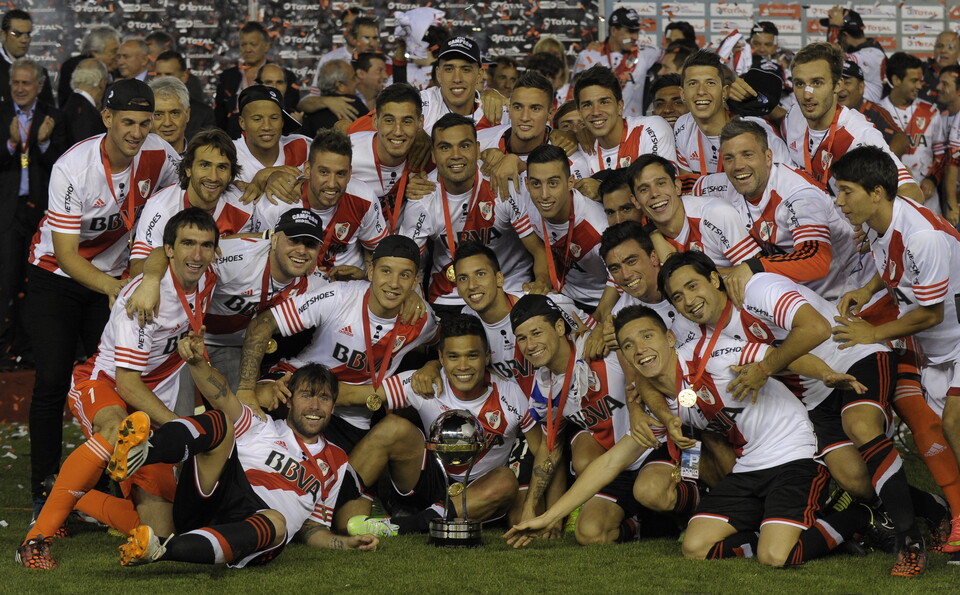
River - 2014
The 2014 CONMEBOL Sudamericana is a cherished memory for fans for two reasons: for the joy it brought at the time by ending a 17-year international title drought, and because, in retrospect, that first step marked the beginning of the most glorious era in the club’s continental history.
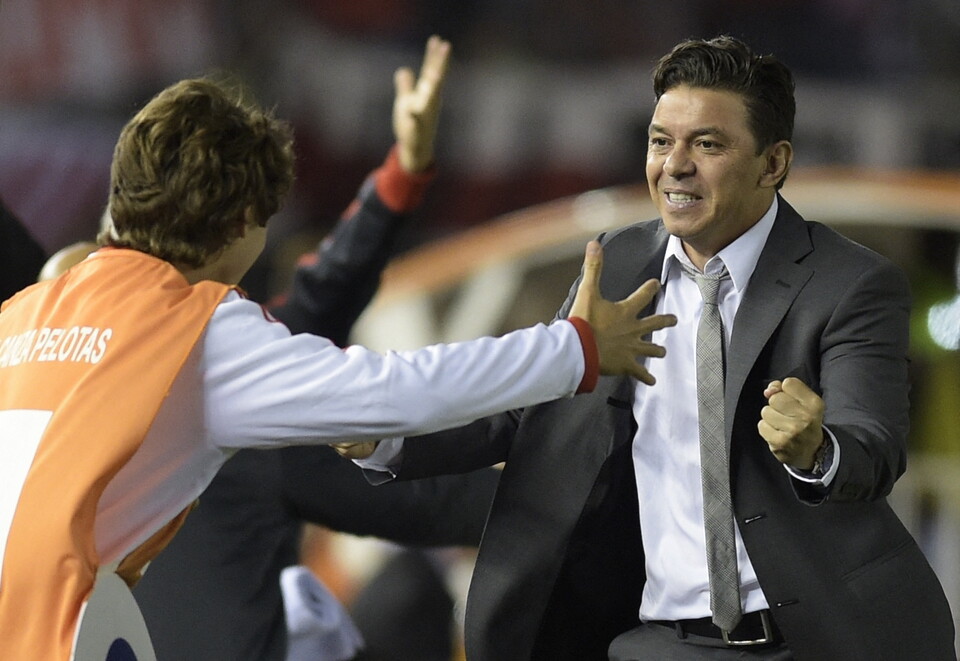
El Millonario began to build the winning pedigree it would display in the years that followed as a constant protagonist in the CONMEBOL Libertadores. But before all the achievements that came later, Marcelo Gallardo’s side opened its campaign with a successful series against Godoy Cruz in the second round, showed character with a strong second-half performance away to Libertad in Paraguay in the quarter-finals, and once again displayed its personality against Estudiantes, who had leveled the aggregate early in the second leg after losing at home. River overcame that challenge with two goals in two minutes to reach a semi-final that would become the cornerstone of the project.
Boca Juniors, their archrivals, would measure River’s footballing growth for a place in the final. Previous international clashes had not been kind to La Banda, who earned a goalless draw in the first leg at La Bombonera. In the return leg, at a boiling Monumental, goalkeeper Marcelo Barovero produced a moment of brilliance when the night threatened to turn into a nightmare: just three minutes into the match, he saved a penalty from Emmanuel Gigliotti. Fueled by ‘Trapito’s’ heroics, Leandro Pisculichi struck in the 16th minute of the first half to score the only goal of the night.
River had overcome a semi-final that felt like an early final, but Atlético Nacional stood ready to halt their dream. In the first leg, Pisculichi once again delivered, securing a valuable 1–1 draw at the Atanasio Girardot—an advantage heading into the second leg—though tension remained inevitable against a side led by Edwin Cardona and with Franco Armani in goal.
The hosts broke the deadlock in the second half with goals from Gabriel Mercado and Germán Pezzella, sparking celebrations in a stadium that would grow accustomed to them: months later, River would lift their third CONMEBOL Libertadores, and in 2018 they would defeat Boca once again to claim their fourth continental title. Now, without Gallardo but with renewed hope under Eduardo Coudet, the River faithful look to this Sudamericana as the beginning of another glorious chapter.
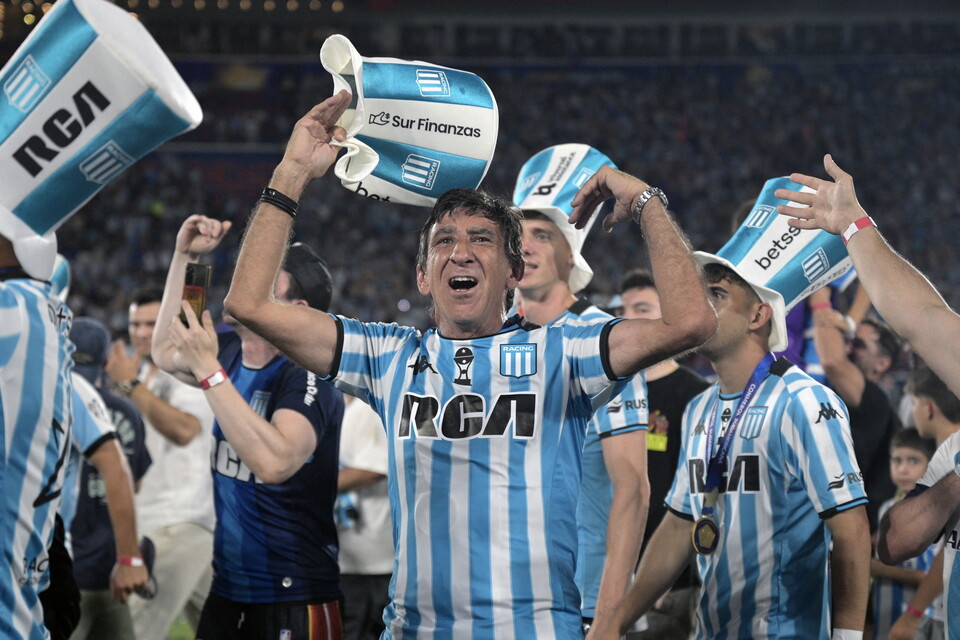
Racing - 2024
When Gustavo Costas—champion as a player in the 1988 Supercopa and as the mascot of the José's team that won the 1967 CONMEBOL Libertadores—returned to the club of his heart, he made a promise: “Winning something international is what I want most, and what Racing fans want. It’s no longer about competing in these tournaments—we have to win them. We need to take that step forward. I came to take Racing to the top. I believe we all share the same goal: directors, coaching staff, players, and fans.”
And Costas delivered. He built a Racing side in the image of his love for the club—a reflection of its supporters. Beyond their footballing quality, this Academia never gave up and fought for every ball as if it were the last. Every match felt like a final for a team that topped Group H in the group stage and thrashed Chile’s Huachipato in the round of 16.
In the quarter-finals, their run against Brazilian opponents began, stringing together victory after victory. They lost 1–0 away to Athletico Paranaense in the first leg but produced a commanding 4–1 win in Avellaneda to turn the tie around convincingly. In the semi-finals, they eliminated Corinthians, showcasing their ability to respond to adversity: they drew 2–2 in the first leg after taking the lead early and then trailing 2–1 before halftime, and in the return leg they fell behind just six minutes in, only for the brilliant Juan Fernando Quintero to score twice and secure their place in the final.
Against Cruzeiro in Asunción, they delivered one of the finest performances of the entire cycle: Gastón Martirena opened the scoring after 15 minutes, Adrián Martínez doubled the lead five minutes later, and Roger Martínez sealed the result in stoppage time. After reaching the semi-finals of the 2025 CONMEBOL Libertadores—where they were eliminated by Flamengo—Racing return to the Sudamericana with the ambition of lifting the trophy once again.