- Rodolfo Arruabarrena used 26 players across Boca’s nine matches. Five Boca academy graduates started the final in Barranquilla.
- Miguel Merentiel scored against all five opponents to finish as Boca’s top scorer. The Uruguayan scored their first goal of the campaign against O’Higgins and their last when he made it 2–0 against Atlético Mineiro.
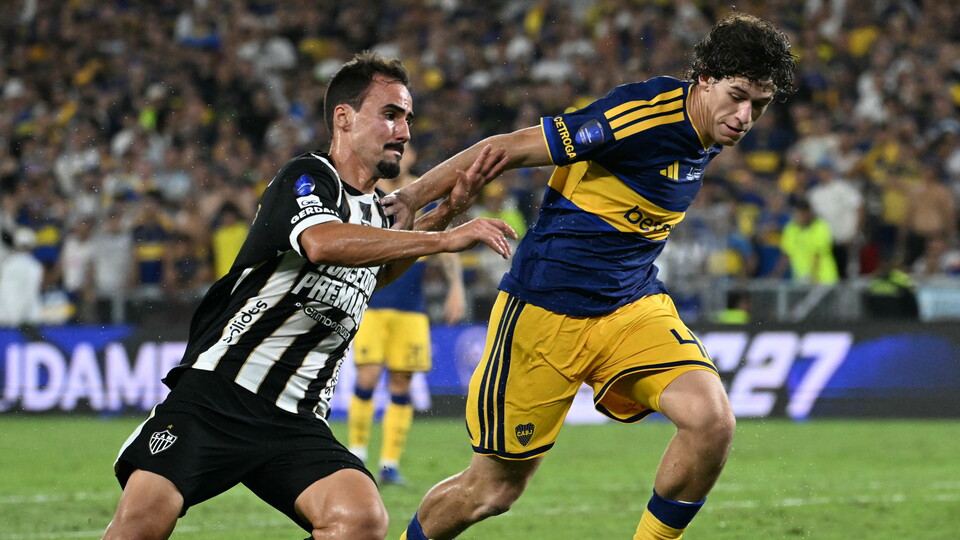
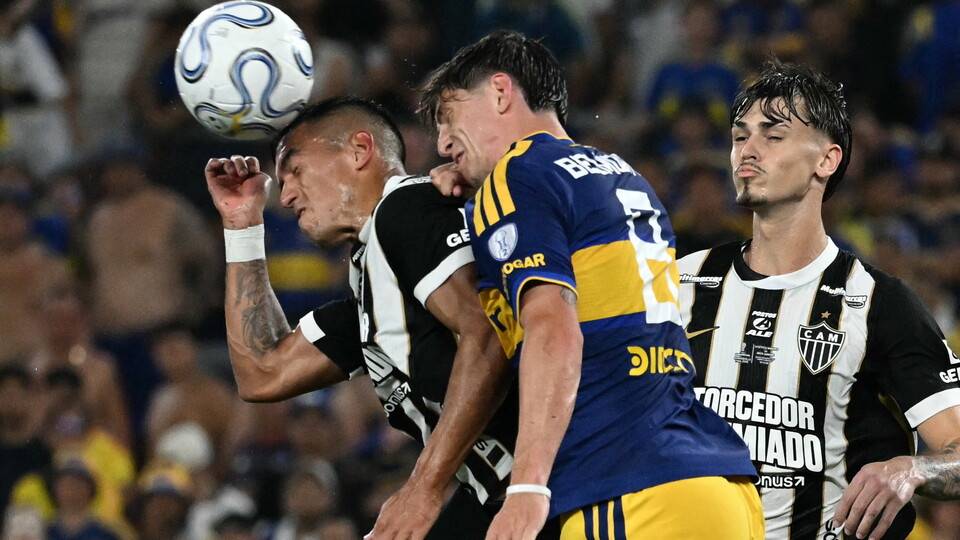
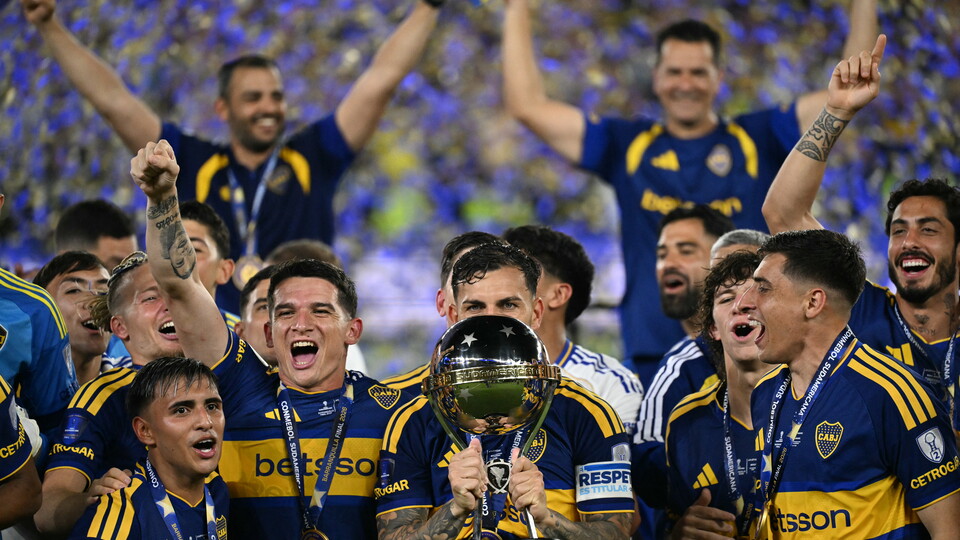
Rodolfo Arruabarrena used 26 players in the nine matches that took Boca to their third CONMEBOL Sudamericana title. Miguel Merentiel scored in all five rounds, Leandro Paredes sent Boca through to the final at the Maracanã and five academy graduates were in the starting XI in Barranquilla.
Before Santiago Ascacíbar fired Boca ahead in the final, before Sebastián Villa crossed for Merentiel to make it 2–0 against Atlético Mineiro, there was a night in Rancagua when Boca’s CONMEBOL Sudamericana campaign came down to a single penalty. Álvaro Montero had saved Luis Pavez’s spot kick, and the shootout was level at 3–3 when Lautaro Blanco walked up to the spot. The left-back converted to send Boca into the round of 16. From that July celebration in Chile to the lap of honour in Colombia in November, these were the players who won the title for Boca.
Goalkeeper
Álvaro Montero (9 appearances). The Colombian played all nine matches, conceded five goals and kept four clean sheets. His most important save came in Rancagua, in Boca’s only penalty shootout of the campaign. Four months later, he kept a clean sheet in the final and took a lap of honour on home soil. Montero has grown in stature since joining Boca six months ago, making the position his own and showing he has what it takes to keep goal for one of the world’s biggest clubs.
Defenders
Leandro Lozano (7 appearances, 1 goal). After joining Boca midway through the year, Lozano made the right-back spot his own from the second leg against O’Higgins onwards. His only goal came at the Morumbi, where he opened the scoring on the hour. São Paulo equalised late on, but the Uruguayan’s goal ensured Boca’s 1–0 win at La Bombonera was enough to send them through to the semi-finals. In Lozano, Arruabarrena and Boca found their answer at right-back. He was one of Boca’s standout performers in the final against Atlético Mineiro, drawing applause from the fans with a display that at times recalled Hugo Ibarra’s influence at both ends of the pitch.
Lautaro Di Lollo (6 appearances, 1 goal). The Boca Predio academy graduate needed just four minutes at the Maracanã to wipe out the lead Vasco da Gama had taken at La Bombonera. His header set Boca on their way to a 3–1 win in the second leg. He also started both legs against São Paulo and the final, where he partnered fellow academy graduate Facundo Herrera at centre-back. An established presence at the heart of the defence, Di Lollo gave Boca a decisive edge in the air throughout the second half of the year.
Facundo Herrera (6 appearances). ‘Jagger’ played his first 12 minutes of CONMEBOL Sudamericana football in Asunción, with Boca already in control of the tie against Recoleta. He went on to start all five remaining matches, each against Brazilian opposition. His campaign tells the story of a rapid rise. In just four months, he went from the reserves to a firm favourite with the fans, who took to his composure, his strength in duels, his crisp forward passing and his heart.
Lautaro Blanco (9 appearances). Blanco started every match at left-back, from the opener to the final. In Chile, he stepped up to take Boca’s fifth penalty after O’Higgins had drawn level in the shootout. He converted to seal a 4–3 win and send Boca into the round of 16. An essential part of the way Boca played, Blanco was one of the team’s mainstays, delivering to a consistently high standard throughout the campaign.
Ayrton Costa (5 appearances). Costa started Boca’s first four matches. He partnered Nicolás Figal at centre-back in both legs against O’Higgins and Di Lollo in the first leg against Recoleta. His fifth appearance came at the Maracanã, where he came on in the closing stages of the comeback win over Vasco.
Nicolás Figal (3 appearances). Figal started both legs against O’Higgins and the second leg of the round of 16 in Paraguay. In Rancagua, he took on a responsibility that usually falls to the forwards. After O’Higgins missed, he converted Boca’s third penalty to put them ahead for the first time in the shootout.
Dylan Gorosito (2 appearances). The academy graduate started both matches he played. He lined up at right-back in the 1–0 win over O’Higgins at La Bombonera and returned to the side for the 4–0 victory over Recoleta in Asunción. Boca kept a clean sheet on both occasions.
Marco Pellegrino (1 appearance). His only appearance came in the first leg of the round of 16 at Huracán’s ground. He came on in the second half of the 3–1 win over Recoleta, a match Boca came from behind to win after conceding in the fifth minute.
Midfielders
Leandro Paredes (7 appearances, 1 goal). The captain returned to Boca for nights like the one at the Maracanã. Still hampered by injury, he started the second leg against Vasco on the bench and came on in the 57th minute. With the sides level on aggregate and a penalty shootout looming, he struck in the 88th minute to make it 3–1 and send Boca to Barranquilla. It was one of the most emotional moments of the campaign. He started the final and lifted his first CONMEBOL Sudamericana trophy with the club where he came through the ranks.
Santiago Ascacíbar (9 appearances, 3 goals). Each of his three goals was Boca’s first of the match. He equalised in the first leg against Recoleta, headed in the opener in the rout in Asunción and once again beat the forwards to the scoresheet in Barranquilla. He had already had a goal ruled out for offside in the final when he fired Boca ahead in the 16th minute. The champions’ second-highest scorer, ‘Ruso’ showed throughout the campaign that he was born to play for Boca.
Milton Delgado (8 appearances, 1 goal). A product of the Boca Predio academy, Delgado started all eight matches he played. His goal turned the first leg against Recoleta in Boca’s favour. Just two minutes after Ascacíbar’s equaliser, he rose to head Boca into a 2–1 lead. In Barranquilla, he lined up alongside Paredes and Ascacíbar again. His presence is central to what makes the midfield trio so formidable.
Tomás Aranda (5 appearances). The No. 10 started all four matches against O’Higgins and Recoleta. Injury ruled him out of the quarter-finals and semi-finals, but he reclaimed his place for the final. With the title on the line, Arruabarrena again entrusted him with the playmaker’s role behind Villa and Merentiel. His flair gives the Boca faithful plenty to dream about.
Tomás Belmonte (4 appearances). Belmonte started two very different wins, a 4–0 victory over Recoleta in Paraguay and a hard-fought 1–0 win over São Paulo at La Bombonera. He also came off the bench in the return leg at the Morumbi and in the second half of the final. He gave Arruabarrena a dependable option in midfield.
Rodrigo Battaglia (2 appearances). Both his appearances came in Boca’s last two matches. After more than six months out injured, he played a pivotal role at the Maracanã. He started in place of Paredes and played 57 minutes before making way for the captain. On a tense night, Battaglia rose to the occasion when Boca needed him most. In Barranquilla, he came on in the second half against Atlético Mineiro.
Williams Alarcón (1 appearance). His only appearance came as a starter in the first leg of the semi-final. With Paredes unavailable, the Chilean lined up alongside Ascacíbar and Delgado in midfield against Vasco at La Bombonera.
Malcom Braida (1 appearance). Arruabarrena brought him off the bench in Boca’s opening match, a 1–0 win over O’Higgins in Buenos Aires. He was named among the substitutes again during the campaign, including for the final.
Camilo Rey Domenech (1 appearance). The Boca academy graduate featured in the champions’ biggest win of the campaign. He came on in the second half of the 4–0 victory over Recoleta at the Defensores del Chaco, the night Boca booked their place in the quarter-finals.
Kevin Zenón (3 appearances). Arruabarrena turned to him off the bench in the opener against O’Higgins and in both legs of the round of 16. Against Recoleta, he played the final eight minutes of the first leg and another 25 in Asunción. That was his last CONMEBOL Sudamericana appearance before his move to Mexican club Atlas.
Forwards
Miguel Merentiel (9 appearances, 5 goals). Boca’s leading scorer struck against all five opponents, with a goal in every round. He scored the only goal of the first leg against O’Higgins, the third in the rout in Asunción and the winner against São Paulo at La Bombonera. At the Maracanã, he scored Boca’s second against Vasco. In Barranquilla, he met Villa’s cross early in the second half to seal a 2–0 win. He had scored Boca’s first goal of the CONMEBOL Sudamericana campaign. The last was his, too. A beast.
Sebastián Villa (9 appearances, 1 goal). Villa featured in every match and scored in the 4–0 win over Recoleta. He saved his finest moment for the final on home soil. Bursting down the left, he flicked the ball over his marker’s head and delivered a left-footed cross for Merentiel to score Boca’s second. After returning to the club, Villa grew in confidence and form as the tournament progressed.
Leonel Flores (8 appearances, 1 goal). The Boca Predio academy graduate started the opening match and scored the goal that capped Boca’s 3–1 comeback win over Recoleta in the round of 16. He also earned a starting place in both legs of the quarter-final against São Paulo and both legs of the semi-final against Vasco. In the final, he came off the bench.
Alan Velasco (6 appearances, 1 goal). Velasco came off the bench to score Boca’s fourth in Asunción. He took on a bigger role in the quarter-finals, starting both at La Bombonera and at the Morumbi. He also made appearances at the Maracanã and in Barranquilla. After a difficult first year at the club, Velasco came close to recapturing his best form in 2026.
Enner Valencia (6 appearances). The Ecuadorian made his first appearance in the second leg against Recoleta and featured in every match from then on. He started the first leg of the semi-final against Vasco and came off the bench in both the comeback win in Rio de Janeiro and the final.
Ángel Romero (3 appearances). The Paraguayan came off the bench in three successive rounds. He featured in the first leg against Recoleta, the draw against São Paulo at the Morumbi that sent Boca through, and the first leg of the semi-final against Vasco.
Carlos Palacios (1 appearance). The Chilean started on his only appearance. Arruabarrena picked him to play alongside Enner Valencia and Leonel Flores in attack in the first leg of the semi-final against Vasco. He was also among the substitutes for the final in Barranquilla.