- The 2026 edition of the CONMEBOL Libertadores will feature 10 teams that have already lifted the trophy and will be aiming to win it again.
- South America’s former champions will look to add another title to their cabinets, with the March 19 draw set to reveal the path they must follow.
Boca Juniors (Argentina)
t is the most successful club in CONMEBOL Libertadores history among those taking part in the draw—scheduled for Thursday, March 19 at 8:00 PM (Paraguay time). The club boasts six titles, having won the editions in 1977, 1978, 2000, 2001, 2003, and 2007. It has also reached six additional finals, the most recent in 2023, when it was defeated by Fluminense at the Maracanã Stadium.
This will mark Leandro Paredes’ first appearance in the CONMEBOL Libertadores. The World Cup-winning midfielder with Argentina in Qatar 2022 serves as the team’s captain and leading figure under head coach Claudio Úbeda, who will be taking charge in an international competition for the first time.
Flamengo (Brazil)
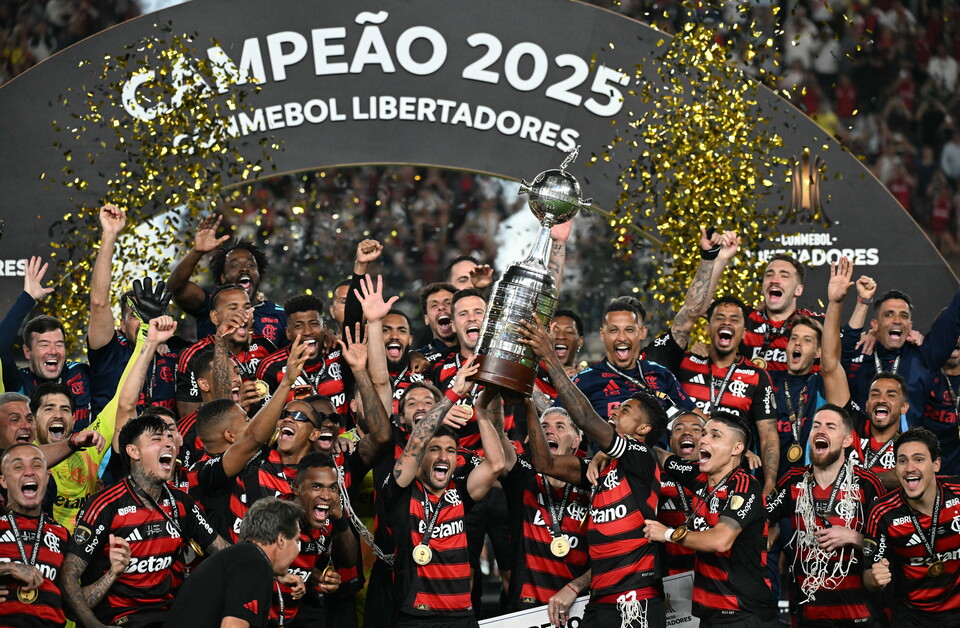
Mengão are the reigning CONMEBOL Libertadores champions. Three of their four titles have come in the last seven editions: in 2019, they defeated River in Lima, Peru—the first final played as a single match—then beat Athletico Paranaense in 2022, and in 2025 overcame Palmeiras in an all-Brazilian clash to claim their fourth continental crown. Their first triumph dates back to 1981, when they defeated Cobreloa of Chile in the final.
Flamengo will have a new head coach for this edition. Following the departure of Filipe Luís, Portuguese manager Leo Jardim—most recently in charge of Cruzeiro—has taken over the Rio de Janeiro side and will be managing in the CONMEBOL Libertadores for the first time in his career, after an extensive coaching journey in Europe.
Peñarol (Uruguay)
‘El Carbonero’ is Uruguay’s most successful club in this competition, having been crowned South American champions five times (1960, 1961, 1966, 1982, and 1987) and finishing as runners-up on five occasions as well (1962, 1965, 1970, 1983, and 2011).
In 2025, they were eliminated in the round of 16 by Racing Club (Argentina) and will now seek redemption with Leo Fernández as a standout figure, alongside the continuity of Diego Aguirre’s project, which reached the continental semi-finals in 2024.
Estudiantes de La Plata (Argentina)
The challenge will be significant for the ‘Pincha’s’ new head coach. Uruguayan manager Alexander “Cacique” Medina was appointed as Estudiantes’ head coach on February 23, and with less than a month in charge, he will make his international debut following the unexpected departure of Eduardo Domínguez, who won five titles with the La Plata club—all at the domestic level.
Estudiantes boast a rich history in the competition: under Osvaldo Zubeldía, they defined an era from the bench and captured three consecutive titles against Palmeiras (1968), Nacional (1969), and Peñarol (1970). Their most recent triumph came in 2009, with Juan Sebastián Verón—now the club’s president—as the team’s leader and Alejandro Sabella as head coach.

Nacional (Uruguay)
‘El Bolso’ were crowned champions in 1971, 1980, and 1988, and finished as runners-up in 1964, 1967, and 1969. They closed out 2025 as Uruguayan league champions after defeating their arch-rivals Peñarol.
The 2026 group stage appears to be shaped, to a large extent, by a common theme: new projects or recently appointed managers who will face a challenge of great magnitude. The Uruguayan side has been led since October 2025 by Jadson Viera, Brazilian-born and naturalized Uruguayan. Familiar with the club’s identity from his time as a player, he will now take charge on the international stage for the first time as a head coach.
Palmeiras (Brazil)
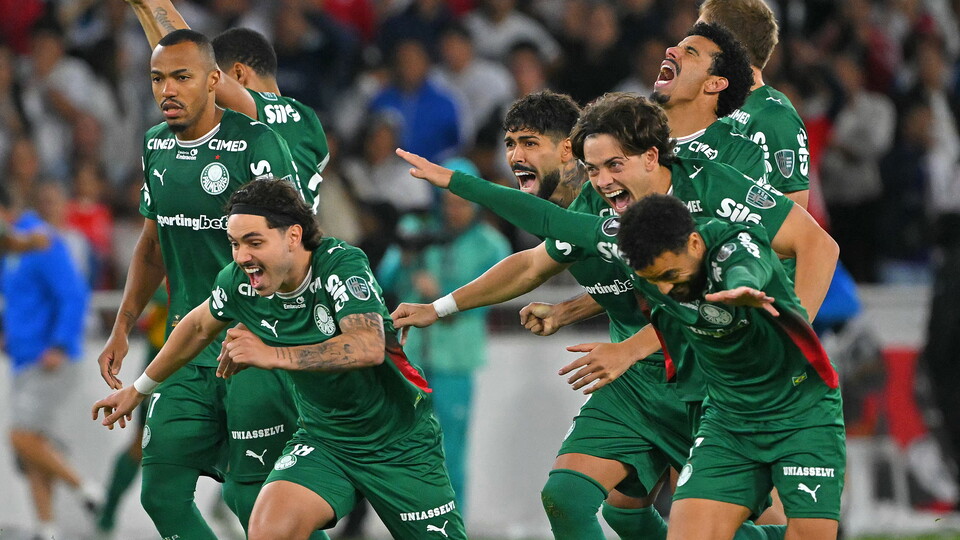
Verdão’s recent history has become its own benchmark for success. The Brazilian side has won two of its three titles in the last five editions (1999, 2020, and 2021) and reached the final in 2025.
With Abel Ferreira at the helm for over five years, Palmeiras enter this tournament as runners-up after falling to Flamengo in the most recent final. Armed with significant attacking firepower—led by the outstanding form of Vítor Roque and José Manuel “Flaco” López—the reigning Paulista champions emerge as one of the leading contenders for this CONMEBOL Libertadores.

Cruzeiro (Brazil)
The Brazilian giant’s last appearance in the CONMEBOL Libertadores came in 2019. After finishing third in the 2025 Brasileirão, the Belo Horizonte side secured qualification for the current edition. Less than a month before their debut—and despite having won the Campeonato Mineiro—renowned Brazilian coach Tite was dismissed due to the team’s poor league performances.
Cruzeiro, who will be placed in Pot 2 for the group stage draw, were crowned CONMEBOL Libertadores champions in 1976 and 1997, and finished as runners-up in 1977 and 2009.
Liga Deportiva Universitaria de Quito (Ecuador)
“La U” arrive with high expectations for the competition they won in the 2008 edition. The Ecuadorian side delivered an impressive campaign in 2025, eliminating Brazilian powerhouses Botafogo and São Paulo in the round of 16 and quarter-finals, respectively, before falling to Palmeiras in the semi-finals by a narrow 4–3 aggregate score.

Fluminense (Brazil)
They were crowned champions in 2023 in a memorable final against Boca Juniors, decided in extra time by a goal from John Kennedy—one of the standout figures in the current squad led by Argentine manager Luis Zubeldía.
With an encouraging present in the Brasileirão, ‘Flu’ will be placed in Pot 1 for the group stage draw alongside two compatriots: Flamengo and Palmeiras, the finalists of the most recent edition.
Corinthians (Brazil)
Under the technical and tactical guidance of Brazilian manager Dorival Júnior, Corinthians won the 2026 Supercopa do Brasil by defeating Flamengo 2–0. That positive memory, still fresh among Timão supporters, fuels their hopes heading into the CONMEBOL Libertadores.
With Dutch forward Memphis Depay as a key figure and the addition of England international Jesse Lingard, the São Paulo side—champions in 2012—will look to bounce back from their 2025 campaign, when they were eliminated in Phase 3 by Ecuador’s Barcelona.
Liga de Quito, Fluminense, and Corinthians share the distinction of being the only champions in this edition who won the only CONMEBOL Libertadores final they have ever played.